Lifetime Citizen Portal Access — AI Briefings, Alerts & Unlimited Follows
Senate Rules Committee suspends rules to advance multiple late bills after members debate timeliness
Loading...
Summary
The Senate Rules Committee heard sponsors explain why a slate of bills missed deadlines, approved suspensions of the rules to advance each file by voice vote, and recorded concerns from minority members about recurring late submissions.
The Senate Rules Committee met to hear explanations for a series of late bills and to vote on suspending procedural rules so each measure could proceed.
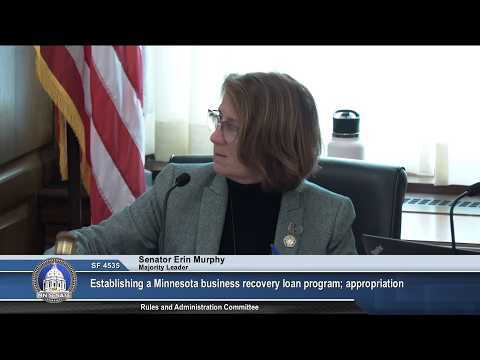
Senator Champion, sponsor of Senate File 45 35, told the committee the bill is late because negotiators needed extra time to finalize language and agreements. "This is for our business recovery initiative, a $100,000,000, in money coming from the Minnesota forward fund, for businesses all across the state that had some impact because of operation Mitchell surge," Champion said. The committee approved a motion to suspend the provisions of Senate Concurrent Resolution 6 for SF 45 35 and adopted the previous committee report by voice vote.
Members of the minority pushed back on the practice of advancing bills after deadlines. "This is gonna be a rubber stamp for these particular bills," Senator Johnson said, arguing repeated missed deadlines undermine the committee process. Senator Rest and Senator Pappas also joined the discussion; Pappas said the pattern may reflect structural pressures, including a late session start and heavy committee workloads, and suggested reconsidering session timing.
Other sponsors gave brief explanations for lateness and the committee moved each bill forward by voice vote: - SF 42 44 (reviser's bill): Senator Limmer said the reviser's office assembled a large volume of technical statutory corrections and cross-reference fixes, causing the bill to miss earlier deadlines; the suspension motion passed by voice vote. - SF 41 44 (chemical irritants): Senator Westlund said the bill had been heard in judiciary before the deadline but required amendments to align the judiciary and commerce committee versions and the other body's language; the committee approved suspension by voice vote. - SF 19 61 (Minnesota Building Families Act): Senator McQuade said a misunderstanding about whether the bill was a finance bill led to scheduling confusion; suspension was approved by voice vote. - SF 39 69 and SF 32 10: Senator McQuade presented SF 39 69 (establishing a grooming offense and changes to mandatory reporter training) and SF 32 10 (clarified on the record); members noted clerical agenda numbering inconsistencies but the committee suspended rules and approved both measures by voice vote. - SF 11 19: Senator McQuade said this bill had been passed out of a prior judiciary omnibus but did not survive conference; the committee suspended rules to move it to general order. - SF 5,000 (one-time per-pupil school safety funding): Senator Kunish described the bill as one-time per-pupil aid for public, charter and private schools and said sponsors delayed to include stakeholders; suspension was approved by voice vote. - SF 37 20 (Workers' Compensation Advisory Council bill): Senator McEwen said the bipartisan advisory council of labor and industry negotiates workers' comp changes and that such consensus-driven bills often reach the deadline as discussions conclude; the committee approved suspension and adjourned.
Votes were taken by voice for each suspension motion; the committee called for "aye" and "no" responses and recorded the motions as adopted by voice vote on every listed file. No roll-call tallies were provided in the hearing record.
Why it matters: committee suspensions of rules are a procedural mechanism that allow measures to bypass normal timing requirements; minority members said routine use of suspensions risks weakening deadline enforcement and transparency. Sponsors said delays typically reflected final technical work, stakeholder input, or interbranch alignment rather than substantive disagreement.
The committee adjourned after completing the slate of suspensions; according to sponsors, at least one more rules hearing is expected later in the week for substantive matters.