Lifetime Citizen Portal Access — AI Briefings, Alerts & Unlimited Follows
Survivors and advocates press California lawmakers over alleged staff abuse and retaliation in women's prisons
Loading...
Summary
Formerly incarcerated survivors, advocacy groups and CDCR officials testified to the Assembly Budget Subcommittee No. 6 about allegations of staff sexual abuse, retaliation and gaps in investigations at women's prisons, pressing for accountability, safer reporting and survivor-centered reentry supports.
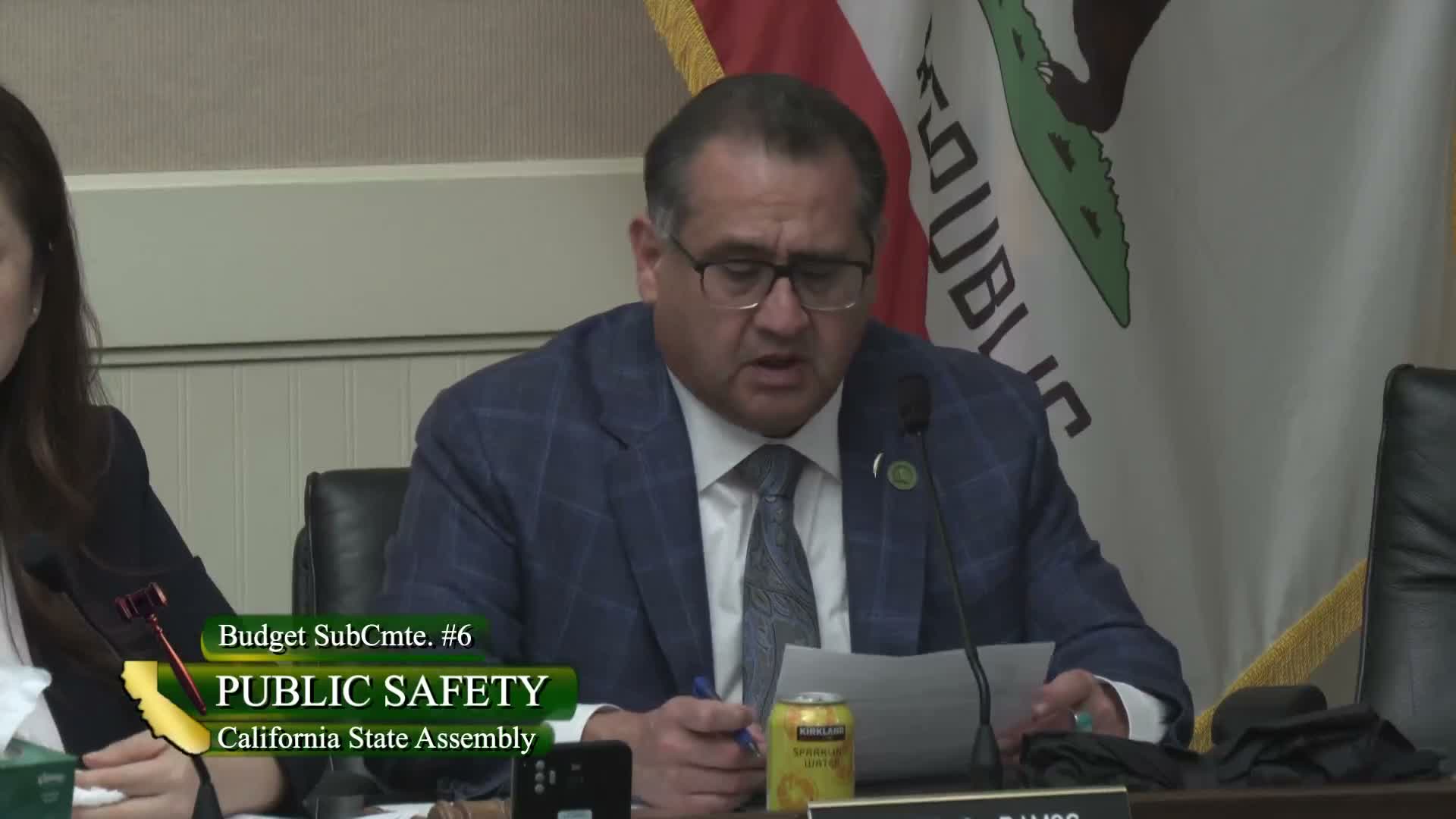
Survivors and advocates recounted graphic allegations of staff sexual abuse and systemic retaliation at California's women's prisons during a budget subcommittee hearing, drawing repeated promises from state officials to improve investigations and accountability.
Sandra Deanda, a member of the California Coalition for Women Prisoners who was released from Central California Women's Facility in August 2024, told lawmakers the facility response was crushing: "Guards unleashed brutal excessive force on over a 150 vulnerable people," she said, describing pepper spray, restraining flexi cuffs and severe injuries that included a stroke and traumatic brain injury. Deanda said she and others experienced retaliation for reporting misconduct and urged stronger, confidential reporting pathways and reentry supports.
Advocates from Sister Warriors Freedom Coalition and the California Coalition for Women Prisoners backed those calls. April Grayson, political director of Sister Warriors, said state-approved community programs were being blocked while harmful interventions were imposed inside prisons, alleging residents were coerced into medication under the threat of retaliation. "We are done repeating ourselves while nothing changes," Grayson said, urging the committee to act on program access and enforcement of legislative intent.
Committee members pressed corrections officials on a widely circulated August 2024 video and on CDCR's use-of-force and investigative practices. Assemblymember Schultz asked whether spraying pepper agents with no imminent threat violated CDCR policy; Kathleen Ratliff, Associate Director for CDCR's Region 2, said it did and described retraining and broader prevention measures provided since the incident. Ratliff also outlined actions taken to strengthen PREA compliance, expand trauma-informed care and increase oversight, saying federal DOJ auditors found Central California Women's Facility and the California Institution for Women in compliance in recent audits.
Amariq Singh, California Inspector General, described limited OIG capacity and the office's stepped-up monitoring after SB 1069, saying the OIG is actively monitoring more cases but can only monitor about 25% of complaints with current staff. He reported that since 2025 his office has reviewed hundreds of grievances from CIW and CCWF and was actively monitoring 161 investigations at the time of testimony.
Lawmakers probed whether internal CDCR investigations were completed in a timely manner and whether cases were routed to local prosecutors. CDCR officials said criminal referrals have occurred but that the department must pull data from multiple systems to provide counts; the inspector general and CDCR acknowledged cases have lapsed due to statute-of-limitations constraints and identified investigator shortages as a primary cause. Director-level CDCR staff told the committee they are standing up a specialized PREA team, improving triage and hiring use-of-force consultants to review policy and investigations.
Survivors and advocates pressed for additional, concrete steps: expedited release or resentencing for survivors imprisoned with substantiated abusers, more independent oversight layers not reliant on CDCR, and reinvestment of prison-closure savings into survivor-centered services and reentry programs. Amika Mota, executive director of Sister Warriors, urged the committee to "release the 50 to 70 survivors who are imprisoned with their abusers" and to close additional prisons, aligning with LAO reports that closing at least one facility could save money while creating capacity for community reinvestment.
The hearing made clear the committee seeks specific follow-up data: counts of criminal referrals from excessive-use-of-force incidents, the percentage of substantiated cases that led to employment sanctions or decertification, timelines for outstanding investigations, and documentation of protections for reporters. Several CDCR and health-care officials committed to returning with detailed responses. The hearing concluded with the committee asking staff to supply follow-up materials and with public commenters urging expanded funding for community programs, survivor supports and legislative changes to reduce reliance on incarceration.
Next steps: the subcommittee did not take any votes and requested follow-up information on criminal referrals, investigator staffing levels, protections for reporters and details of programs and funding that advocates say are being blocked. Public comment closed the hearing, with multiple community organizations urging prison closures and reinvestment in community-based prevention and treatment.