Lifetime Citizen Portal Access — AI Briefings, Alerts & Unlimited Follows
Berkeley council advances landmark ordinance changes, raises citizen-petition threshold to 200 signatures and adds SB 330 timing protections
Loading...
Summary
After extended debate and public testimony, the council approved staff recommendations with supplemental language setting a single 200-signature threshold for citizen landmark petitions, adding a one‑time SB 330 exception to delay landmark initiation for active housing vesting applications, and requesting a one-year implementation report.
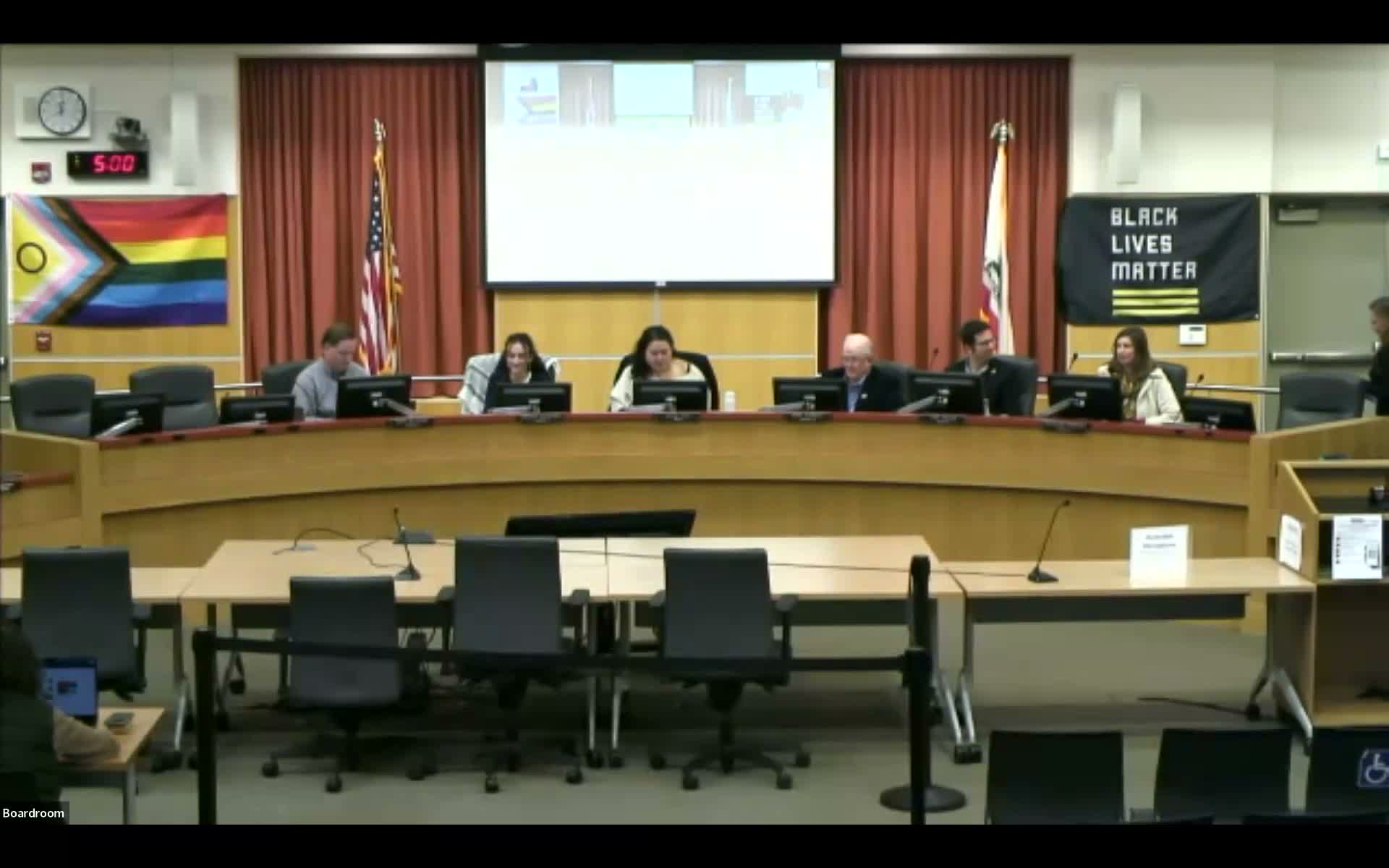
The Berkeley City Council voted April 14 to advance amendments to the city’s Landmarks Preservation Ordinance, adopting staff recommendations with supplemental changes that set a single 200-signature threshold for citizen-initiated landmark petitions, add protections for projects vested under SB 330, and request a staff report after one year on the ordinance’s administration.
Planning Director Jordan Klein and assistant planner Faye Mingham summarized the referral: the amendments update long-outdated procedures, align notice and fees with modern practice, and respond to a council referral about the low 50-signature threshold for citizen-initiated designations. Staff presented two alternatives for signature thresholds (a dual threshold that would require fewer signatures with owner consent versus more without, or a single threshold). Staff also proposed a five-year pause on initiation during active SB 330 projects to avoid conflicting landmark initiations during housing vesting.
Denise Hall Montgomery, chair of the Landmarks Preservation Commission (LPC), told the council the LPC recommended a more modest increase (to 100 signatures) and cautioned that large thresholds risk removing public access to preservation tools. Preservation advocates and the Berkeley Architectural Heritage Association urged balance: raise the bar enough to deter opportunistic or retaliatory petitions tied to development but preserve a practical path for community-initiated nominations.
Councilmembers debated multiple options: a single threshold vs. dual thresholds tied to owner consent; numeric proposals ranged from 100 to 400 signatures; and whether SB 330 protections should align strictly with state timelines (30 months after approval) or a longer local window (five years) and whether an exception should be one-time only to prevent indefinite chaining of preliminary submissions. After negotiating supplemental language—intended to prevent bad-faith chaining of preliminary SB 330 applications—the council approved the staff recommendation with the amendment to set a single 200-signature threshold across the board and to include the one-year report back to council on administration.
The clerk recorded the roll call vote and announced the motion carried. Supporters framed the changes as an effort to preserve staff resources, reduce tactical landmark filings tied to permitted housing projects, and retain meaningful public participation through other initiation pathways (LPC, council, or owner-initiated requests). Opponents cautioned that a high signature requirement could make landmarking effectively impossible for grassroots preservationists and urged staff to monitor the ordinance’s effects.
Council’s action moves the ordinance amendments forward as the council’s chosen policy direction; staff will prepare the implementing ordinance language and administrative steps to bring back final documents per council rules.