Get Full Government Meeting Transcripts, Videos, & Alerts Forever!
Get email alerts on the Governance Models topic
No spam. Unsubscribe anytime.
Fremont advisory committee reviews governance models, keeps staff-led meetings
Summary
City staff presented council–manager, strong-mayor and mayor–council governance models to the Fremont Charter Advisory Committee; members asked for additional financial and staffing data and voted 5–2 to keep meetings staff-led rather than electing a committee chair.
City staff presented three municipal governance options to the Fremont Charter Advisory Committee on March 30, outlining how council–manager, strong-mayor and mayor–council systems allocate executive power, hiring authority and voting or veto authority.
The presentation explained that council–manager governments typically assign legislative authority to an elected council and operational authority to an appointed city manager; strong-mayor systems concentrate executive authority in an elected mayor who may have hiring power and veto authority; and mayor–council systems split some authorities between a mayor and council. Staff walked the committee through comparative charts showing which California charter cities grant mayors hiring authority or unique voting powers and noted there are many local variations.
Staff asked the committee to consider whether the city’s objectives — including concerns about executive roles, council compensation and office support — would require a charter. Staff emphasized that some changes (for example, altering appointment authority or creating dedicated council staff) could be achieved by ordinance under the Government Code, while changing the form of government would require a charter and voter approval.
Committee members pressed staff for additional data. One member asked for turnover and recruitment impacts if appointment authority shifted away from a city manager; another asked for comparative cost information for cities that had converted governance structures. Staff said they would attempt to gather comparative financial information but cautioned that the six-week timeline limited how much could be obtained before the committee’s final meeting.
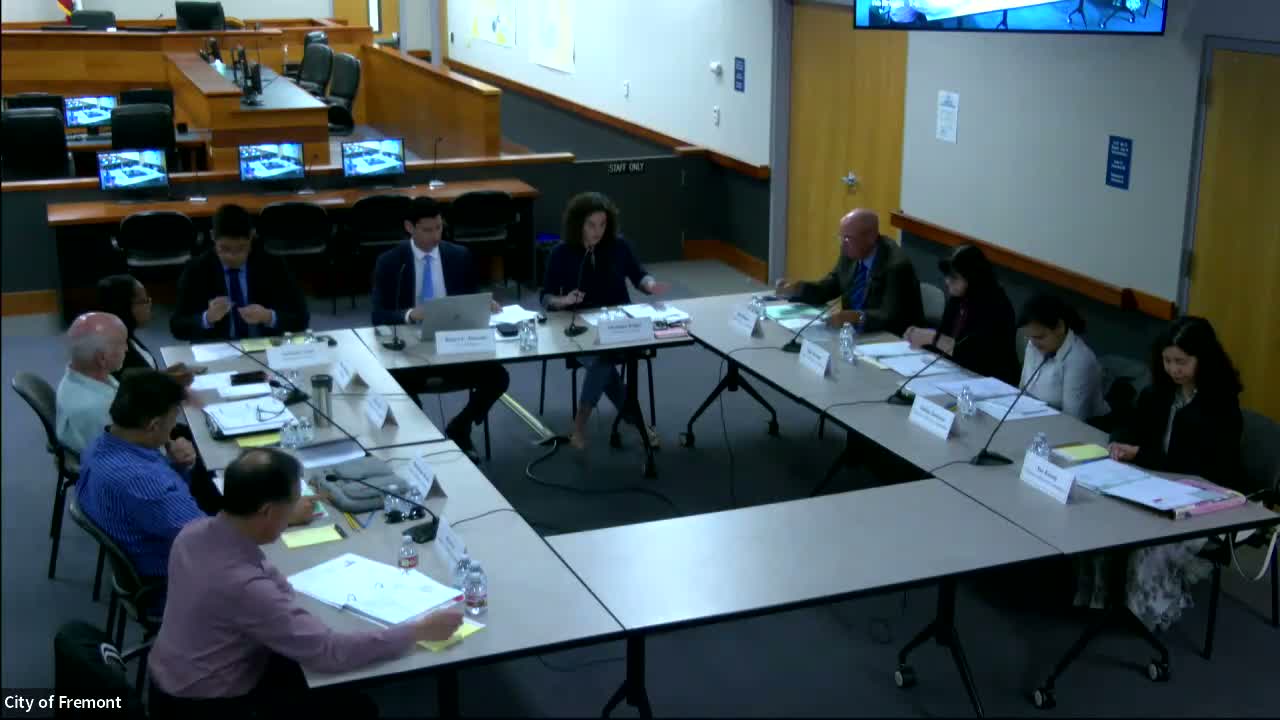
On process and logistics, the committee approved last week’s minutes (motion made and seconded; approved by voice/show of hands) and voted to extend the meeting beyond the planned end time. Members also debated whether to elect a committee chair; after a motion and a substitute motion to retain the existing staff-led meeting format, the substitute carried 5–2 (committee members Yi and Kwang recorded as the nays). Staff said the meeting materials and linked charter documents for cities cited in the presentation would be posted online.
Why it matters: The committee’s review will feed recommendations to the City Council about whether to pursue a charter and, if so, what form of government a charter should establish. That decision could change who hires department heads, how executive authority is exercised, and whether city officials gain local powers beyond those available under general law.
What’s next: Staff told the committee it will return with further analysis on the questions raised — including staffing, potential costs and examples from other cities — and the committee will continue the discussion at upcoming meetings.