Get Full Government Meeting Transcripts, Videos, & Alerts Forever!
Get email alerts on the Ordinance 766 topic
No spam. Unsubscribe anytime.
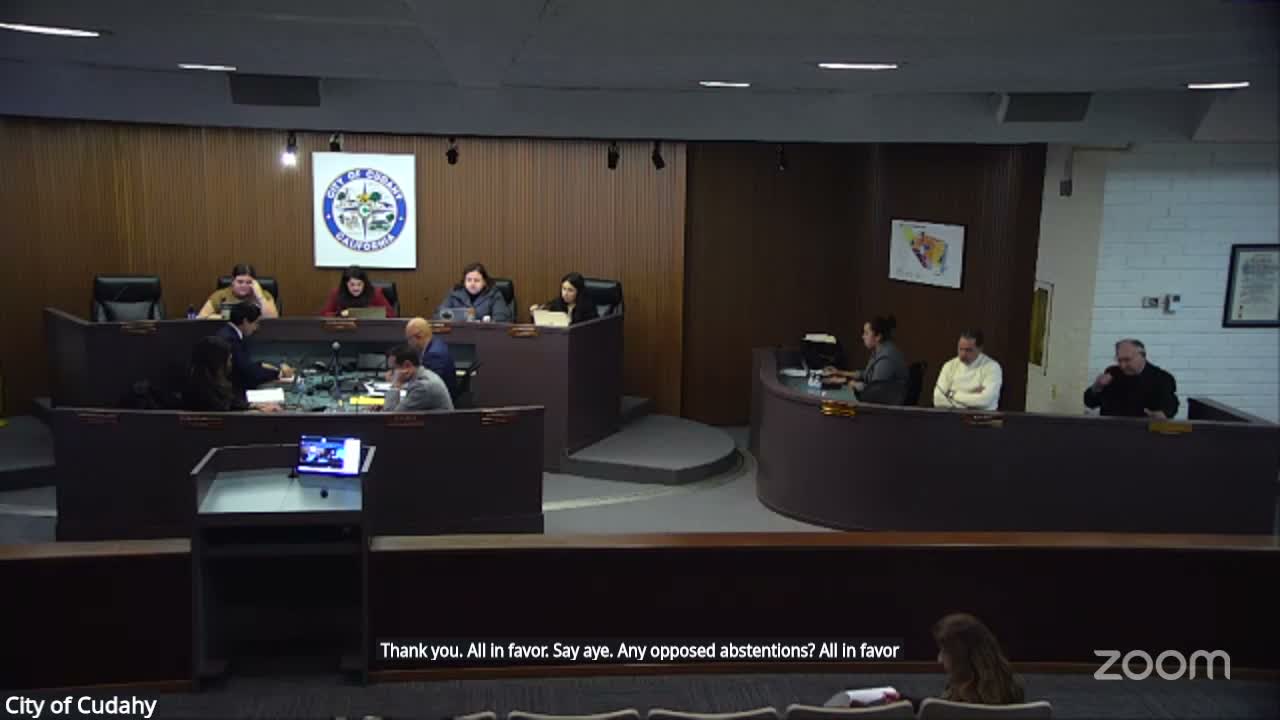
Council debates draft ordinance 7-66 on contractor disclosure and data sharing; attorney cautions on enforcement and staffing
Summary
City Attorney presented draft ordinance 7-66 directing staff to draft rules requiring bidders to disclose agreements with DHS and third-party data sharing; council debated blank language in the sample, enforcement mechanisms, staff capacity for audits/reporting and directed staff to separate law-enforcement–specific provisions and return with revised language.
The city attorney opened a council discussion of draft ordinance 7-66, described as a carryover item and a merged draft that drew from sample language provided by neighboring cities. The draft directs staff to prepare an ordinance requiring bidders on city contracts to disclose agreements with the Department of Homeland Security and disclose third-party data-sharing arrangements.
The city attorney said the sample language contained "several blanks" and that some provisions from other cities did not translate cleanly to Cudahy's municipal code. He flagged two persistent issues: (1) enforcement and remedies (including whether to include a private right of action) and (2) which city department would serve as the designated administrative agency to receive reports, conduct audits and track violations. "As it currently reads, it's a little difficult to enforce because there's not even a department that is over ... these particular activities," the city attorney said.
Council members debated whether to include a private right of action for harmed residents or to rely on contract remedies and termination as a stronger, more practical enforcement tool; the attorney warned that private suits require a showing of injury and could be challenging to litigate. Council members also argued to separate the law-enforcement–related language (expectations of contracted sheriff services to take and document reports of ICE activity) into a standalone ordinance to avoid conflating contractor disclosure and police-contract expectations.
Council directed the city attorney and city manager's office to research the staffing, training and resource implications of administering the ordinance, to clarify definitions (e.g., "contractor"), and to return with revised language. The city attorney cautioned that many of the proposed provisions would require audits, notices of violation and follow-up activities that could necessitate new staff or reallocation of duties.
Next steps: the city attorney will research legal implications (private right of action, contractual remedies), identify a recommended designated administrative agency, and return with a revised draft that separates law-enforcement contract expectations from contractor data-disclosure requirements.