Get Full Government Meeting Transcripts, Videos, & Alerts Forever!
Get email alerts on the School Funding topic
No spam. Unsubscribe anytime.
Educators, transit advocates press Philadelphia City Council to approve rideshare, delivery fees to save school jobs
Summary
At a public hearing, dozens of principals, teachers, parents and transit advocates urged City Council to pass a $1 rideshare fee and a package‑delivery charge included in the mayor's revenue package, saying the measures would generate about $50.4 million to avert cuts that would eliminate roughly 340 school‑based positions.
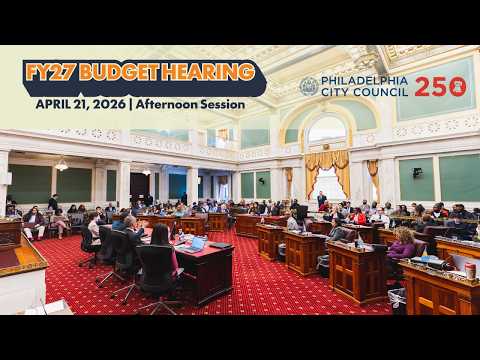
Philadelphia City Council heard several hours of testimony April 21 on Mayor Parker's proposed revenue measures, with large numbers of educators, parents and transit advocates urging passage of a $1 rideshare fee and a package‑delivery tax to shore up school funding.
Supporters said the measures would produce recurring revenue for the School District of Philadelphia and prevent staff cuts. Arthur Steinberg, president of the Philadelphia Federation of Teachers, told council the package would raise roughly $50.4 million and preserve about 340 school‑based positions that district officials say would otherwise be cut. "It is imperative the council act immediately to pass these bills, save 340 school‑based positions and keep district educators sure that their positions and school locations will be intact next year," Steinberg said.
Education advocates and principals described specific losses they expect if the funds are not approved. Bianca Reyes, principal of Julia de Burgos Elementary, said her school would lose an ESOL teacher, three general‑education teachers and two climate staff under the proposed cuts and warned that one staff reduction would force 66 sixth‑grade students into two classes of 33. "We are also losing climate staff, the people who help keep children safe, build relationships, and deescalate conflict daily," Reyes said.
Transit and equity groups framed the package‑delivery fee as a way to protect transit programs. Alex Malone, transit committee co‑chair at a local advocacy group, urged council to use delivery fees to fully fund and expand the city's 0‑fare transit program. "A fully funded transit system would make mass transit a more attractive option for Philadelphians, and funding raised with a package delivery tax should expand transit access equity," Malone said.
Experts and economists who testified said a per‑ride charge would have limited effects on ridership. Mai Miksic, deputy director of policy for Children First who read testimony for economist James Parrott, said comparable taxes exist in other major cities and the "pure economics do not suggest an adverse effect on passengers." Matt Collier, a macroeconomist, said demand is relatively inelastic for many trips the fee would affect.
Opponents focused on distributional effects and potential harm to drivers and low‑income riders. Galena Novakova, a rideshare driver and rider, said the tax would hit seniors, late‑night workers and families in neighborhoods with limited transit, and argued it could reduce drivers' income. "This tax will hurt everyday working people first, not corporations," Novakova said.
Industry representatives urged council to consider alternatives or protections for vulnerable riders. Angeline Jefferson, testifying for Lyft, said the proposed $1 per‑ride fee on trips originating in Philadelphia would add to existing excise fees and would fall hardest on low‑income riders and drivers.
Council did not take a vote on the policy itself. At the close of the hearing, Councilmember Thomas moved to recess the committee until April 22 at 10 a.m.; the motion carried. The council is expected to reconvene the public hearing and continue deliberations at that time.
Funding estimates, bill numbers and specific staffing impacts were cited repeatedly at the hearing. Proponents repeatedly asked that if council passes these revenue measures, the funds be legally designated and tracked to ensure the money goes directly to the School District of Philadelphia and to transit and education programs that supporters identified during testimony.