Lifetime Citizen Portal Access — AI Briefings, Alerts & Unlimited Follows
Senate approves pilot letting counties appoint magistrates; opponents warn of constitutional risk
Loading...
Summary
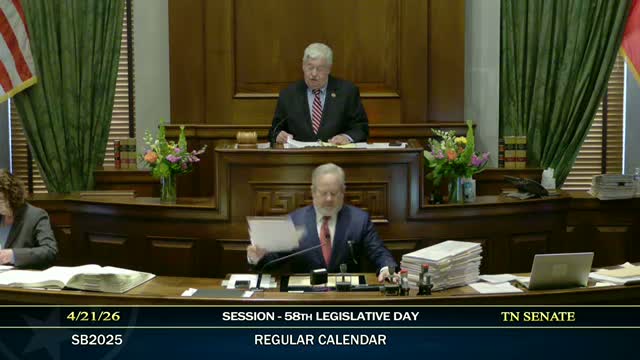
The Tennessee Senate on third and final consideration passed House Bill 22-51 to allow a limited pilot for appointed county magistrates, removing felony plea authority by amendment. Supporters said the pilot addresses access to judicial services in overloaded jurisdictions; critics warned unelected magistrates could exercise core judicial functions.
The Tennessee Senate on third and final consideration approved House Bill 22-51, a pilot program allowing counties to authorize appointed magistrates to handle certain judicial duties, but with an amendment that removes magistrates’ authority to accept felony pleas.
Leader Johnson, the sponsor identified on the floor as Leader Johnson, said the measure aims to “get the pilot to the ground” and that magistrates would be appointed and supervised by elected judges in overloaded districts to protect speedy trial rights. He said the pilot was developed with input from district attorneys and judges in his district.
The bill’s committee amendment, adopted on the floor, specifically removed the provision allowing county criminal magistrates to accept felony pleas while leaving misdemeanor plea authority intact. Senator Lowe, sponsor of the floor motion, told colleagues the amendment “simply removes the provision of the county or the criminal magistrate’s ability to take pleas for felonies,” while retaining misdemeanor plea authority.
Opponents urged caution on constitutional grounds. Senator Yarbrough warned on the floor that allowing unelected magistrates to perform core judicial functions risks running afoul of Tennessee’s constitutional requirement that judges be elected for certain judicial acts, saying, “under our constitution, you have to be an elected judge in order to do things that are core judicial functions.” He added he did not think the amendment fully cured those concerns.
Several members highlighted the rural–urban difference in magistrate qualifications. Senator Kyle said magistrates in some rural counties “are not lawyers” and urged careful consideration; Senator Lamar said some magistrates might lack legal background and that, if such positions are created more broadly, they should require legal qualifications.
Supporters said the pilot is limited to counties where caseloads are particularly heavy and that the positions would be appointed under judicial oversight. Senator Lowe told the body the positions “would be appointed by the elected judges in communities where the caseload is becoming almost insurmountable,” and described the effort as a narrowly tailored trial.
The Senate adopted the committee amendment by voice and, after further debate, returned the bill to final consideration. The Clerk announced the recorded vote and the Chair declared the bill passed on third and final consideration.
The bill’s effective and implementation details (including which counties would participate in the pilot and any reporting requirements) were not specified on the floor and remain to be clarified as the measure proceeds to enrollment and any implementing guidance from judicial authorities.