Lifetime Citizen Portal Access — AI Briefings, Alerts & Unlimited Follows
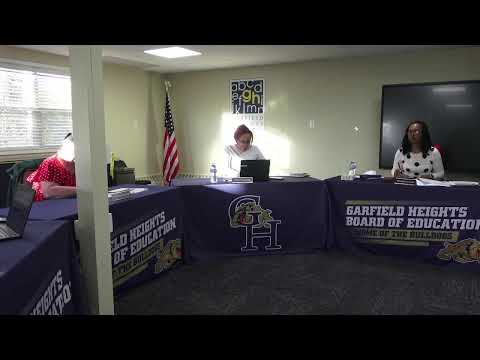
HR director details staffing, absenteeism and retention efforts at Garfield Heights board meeting
Loading...
Summary
Sasha Pettigrew, the district director of human resources, reported workforce counts, rising staff absenteeism and retention initiatives including recognition programs, a tentative attendance incentive and a new teacher cohort. The presentation prompted board questions about substitute qualifications and pay.
Sasha Pettigrew, director of human resources for Garfield Heights City Schools, told the board on April 20 that the district is focusing on staffing, culture, engagement and strategic priorities as it seeks to reduce turnover and chronic staff absenteeism.
“Our report will focus on staffing, culture, engagement, and strategic priorities,” Pettigrew said, outlining workforce counts and initiatives. She reported certified teachers at about 200, classified staff at 176 and 55 non‑union employees, and said the district also works with more than 40 coaches and contracted staff.
Pettigrew said an employee engagement survey returned 152 responses and highlighted consistent staff commitment to students, but also noted concerns about behavior supports, leadership consistency and workload pressures. She flagged staff absences as a major cost driver: “Right now, our total attendance days is 3,817,” she said, characterizing the total as an area for improvement.
To address attendance, Pettigrew said the district successfully negotiated a tentative $1,000 attendance incentive in the collective bargaining agreement for employees who miss five days or fewer, directed principals to hold attendance conversations and proposed an attendance task force. She described recognition and wellness initiatives, including an annual service‑award ceremony, quarterly innovation awards and an annual wellness day.
Board members asked for clarification about substitutes and pay. Pettigrew said the post‑COVID policy requires substitutes to hold a bachelor’s degree and that the district’s presented daily and long‑term substitute rates were listed in her slides.
“During COVID…they had started allowing districts to be able to hire employees that did not have a degree,” Pettigrew said. “But you had to adapt that through your 4. So a lot of districts did not go that route.”
On substitute pay she stated the figures shown in the presentation: “So our daily rate is $1.45, and then the long term assignment is at $1.60.” (Those figures were presented as shown; the board may clarify formatting or transcription in later materials.)
Pettigrew described hiring efforts and pipelines, including partnerships with Cleveland State University and other programs to recruit student teachers and increase pools for hard‑to‑fill roles such as intervention specialists. She listed current openings covering preschool through middle‑school math and six intervention‑specialist positions, and said principals are receiving coaching on consistent behavioral systems.
The HR presentation closed with goals to reduce reliance on substitutes, lower turnover through engagement and appreciation, create an employee handbook, and reduce legal costs by strengthening leadership and professional development.
Board members thanked Pettigrew and raised follow‑up questions about implementation and timelines; Pettigrew said staff and supervisors have access to attendance monitoring tools and training to begin targeted conversations once threshold patterns appear.