Get Full Government Meeting Transcripts, Videos, & Alerts Forever!
Get email alerts on the Tourism Marketing topic
No spam. Unsubscribe anytime.
Presenter urges clearer signage, kiosks and partnerships to boost Oglesby-area tourism
Summary
A tourism presenter recommended a targeted brochure campaign, volunteer kiosk adoption and clearer visitor signage to address missing information at state parks and river attractions near Oglesby. He flagged deteriorated kiosks, absent fishing-license details, and suggested partnering with DNR and local nonprofits.
A presenter speaking to local officials recommended a coordinated marketing push and sharper visitor-facing information to attract more visitors to Oglesby and nearby attractions. He said the outreach included printing 20,000 brochures (10,000 placed in hotels and 10,000 mailed) and urged communities to promote specific activities — not just park names — to persuade visitors to stay and spend locally.
The presenter said the brochure campaign emphasized top restaurants, shops and “must-do” activities and set selection criteria for featured businesses: strong third‑party reviews, year‑round hours, good curb appeal and uniqueness. “We want things that are unique,” he said, adding that visitors prefer numbered lists and clear activity suggestions: “Always promote the activity, not just the park.”
Why it matters: visitors are more likely to act on concise, locally specific directions and activity suggestions, the presenter said, and poor signage or missing details cause frustrated drop-offs. He described multiple kiosks and trailheads in LaSalle County as “junky” or deteriorated and said some trail maps and signs lacked readable rules and practical details such as fishing-license locations or how long a hike takes.
The presenter urged the city to coordinate with the Department of Natural Resources and volunteer groups so communities can ‘adopt’ state‑park kiosks and keep posted information current. “If we can take a building and have a booth or two or four,” he said of local information centers, “we can put our restaurant brochure there and manage it.” A staff member clarified that some signs are DNR responsibility but noted, “They do and they are working on signage right now.”
He also referenced a recent report he said showed the state was allocated $64,000,000 for capital improvements and suggested that some funds could address park upkeep, while stressing that local volunteer and nonprofit partnerships can fill many maintenance and information gaps without large municipal expenditures.
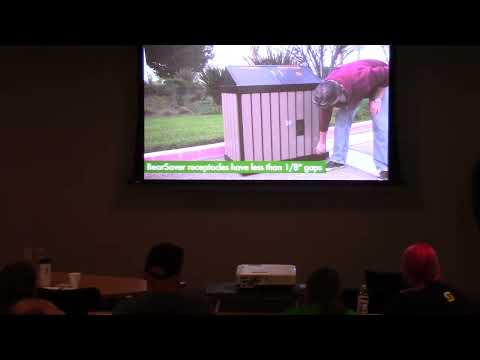
Specific fixes recommended included placing rules and safety guidance at parking areas (not just on remote signs), adding QR codes or downloadable trail maps to kiosks, installing bear‑safe trash cans, and marketing signature hikes such as Bailey Falls (described as roughly a half‑hour round trip). He also noted an RC airplane field as an example of a well‑maintained niche amenity that draws visitors and should be more prominently promoted.
The presentation contained no formal vote or directive; the presenter framed the proposals as recommended next steps for city staff and volunteer partners to pursue.