Get Full Government Meeting Transcripts, Videos, & Alerts Forever!
Get email alerts on the Public Safety Policy topic
No spam. Unsubscribe anytime.
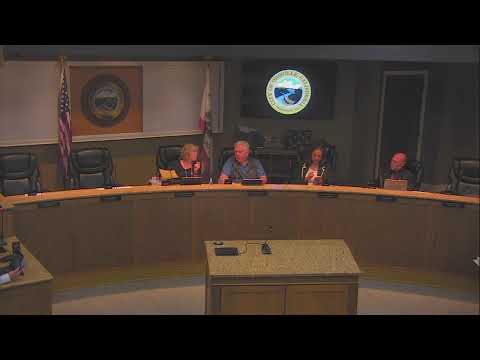
Fire chief presents proposed cost-recovery ordinance, council presses for safeguards
Summary
Oroville's fire chief proposed an ordinance to bill avoidable or repeated nonemergency responses to reduce strain on limited city resources; council members urged clear trigger points, protections for vulnerable residents and legal review before any billing program is finalized.
Fire Chief (speaker 22) presented a draft ordinance intended to recover costs for certain avoidable, excessive or repeated fire-department responses. He framed the proposal as a tool to protect limited resources and to ensure crews are available for true emergencies, stressing that "nothing in this proposed ordinance should discourage anyone from calling 911."
The chief said city engines are tied up often: "Two city resources are simultaneously being used 30 to 40% of the time," and that some private entities and repeat addresses have generated excessive calls. He outlined safeguards in the draft, including exemptions for good-faith emergency calls, chief discretion to waive or reduce fees, and an appeal process.
Council members raised concerns about applying the ordinance to vulnerable residents (repeated medical calls, mental-health cases, or those on fixed incomes). Vice mayor Smith and others urged the chief to work with the city attorney to define trigger points (for example, a measured threshold of repeat responses) and to consider categorizing professional entities versus private citizens to reduce discretionary burden on staff.
The chief said he favored a case-by-case approach but would welcome structuring thresholds and a review committee to avoid having a single officer make all decisions. He also suggested initial focus on commercial or institutional repeat callers where staffing shortfalls are being subsidized by taxpayer-funded emergency responses.
Council provided direction for further development; the chief will return with a formal first reading after additional draft work, legal review and refinement of procedural safeguards.