Get Full Government Meeting Transcripts, Videos, & Alerts Forever!
Get email alerts on the Public Safety Solicitation topic
No spam. Unsubscribe anytime.
Council begins review of door-to-door solicitation ordinance amid First Amendment cautions
Summary
Legal counsel warned council that restrictions on door-to-door solicitation raise First Amendment issues; members favored limiting commercial solicitors (solar, roofing) while preserving youth fundraisers and political/religious activity, and discussed photo-ID permits and a non-solicitation registry.
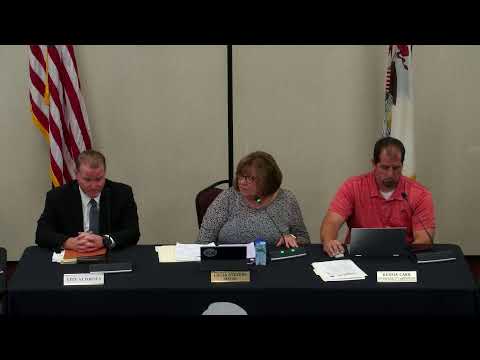
The Washington City Council held an initial discussion about a proposed door-to-door solicitation ordinance after legal counsel told members the subject raises substantial First Amendment and recent-case-law concerns.
The city attorney urged the council to be comprehensive and careful in drafting, noting the proposal runs “the gamut” from commercial salespeople to political solicitations and that recent court decisions, particularly involving panhandling, complicate enforcement. The attorney said the draft is broad and that staff could provide alternatives and implementation options.
Several alderpersons told the council they favor restrictive measures aimed at commercial solicitors while allowing carve-outs for youth fundraisers, political or religious activity, and neighborhood volunteers. Alderperson Preston Moss said he favors being “as restrictive as possible on commercial purposes” while exempting charitable and youth activities. Alderson McIntyre and others echoed the view that limits should be clear and enforceable and that officers need straightforward rules to follow.
Council members discussed specific enforcement tools under consideration: a city-issued photo ID or badge for permitted solicitors, a web-enabled non-solicitation registry residents could join, tiered permit fees to waive costs for local residents or youth and charge nonresidents or large out-of-town companies, and mechanisms to tie enforcement to complaints (pulling a company permit if canvassers generate repeated complaints). The city attorney cautioned that being overly specific about permitted categories can lead to frequent amendments and a game of “whack-a-mole.”
The council also discussed practical enforcement considerations: waivers or discounts for local youth or residents running small businesses, background checks and permit fees, and making the non-solicitation registry simple for residents to use. Members indicated they want the ordinance to prioritize public safety, reduce nuisance commercial canvassing (notably solar and post-storm roofing solicitations), and avoid sweeping bans that risk legal challenge.
No ordinance vote was taken; legal staff will refine options and return with recommended language and enforcement frameworks for further council review.
The council’s next step is to ask legal staff to draft ordinance alternatives that limit commercial solicitation while protecting constitutionally protected speech and to include enforcement and permit mechanisms that are straightforward for police to apply.