Get Full Government Meeting Transcripts, Videos, & Alerts Forever!
Get email alerts on the Planning Policy topic
No spam. Unsubscribe anytime.
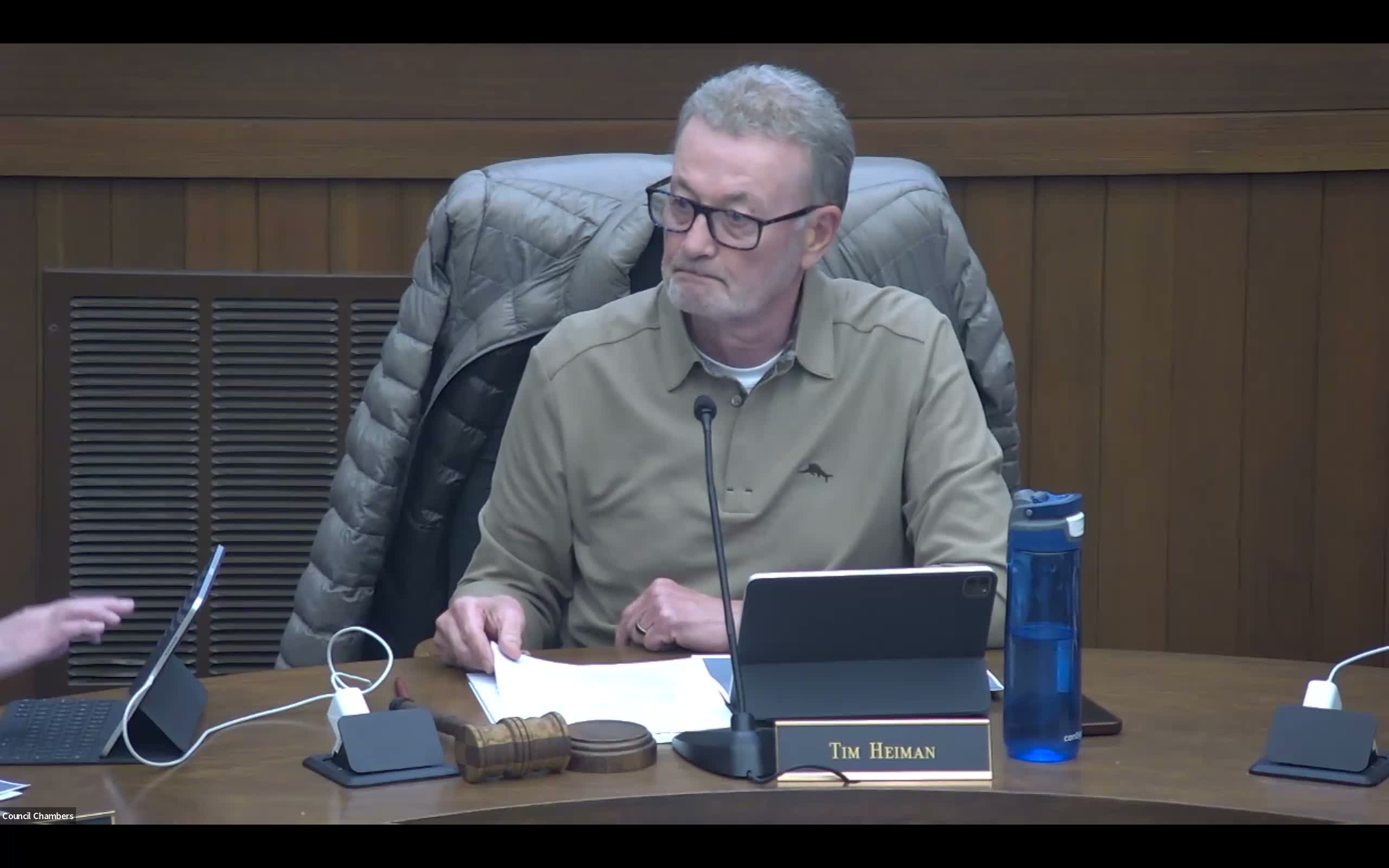
Planning commission reviews draft general plan update, debates implementation priorities and rules on habitat, flood and utilities
Summary
Staff and consultants introduced a draft general plan for review; commissioners discussed monitoring actions, habitat and parkland objectives, flood-infrastructure priorities, interagency coordination, bird‑nesting restrictions, reserve-area terminology for future housing and document accessibility for the public.
San Anselmo's planning staff and consultants presented the draft general plan update and an implementation plan that compiles goals, policies and actions across nine elements. Staff asked the Planning Commission for high-level feedback on the draft text, priorities and the implementation timeline.
Christina Bork, a consultant with Romel Bork and Associates, summarized the draft structure: nine elements with background, vision and policy language, and a new implementation plan that lists actions, responsible departments, timing and cost ranges. "We're looking for feedback on the text, the graphics...and whether the actions are realistic and achievable," she said.
A second consultant outlined several substantive changes since the commission last reviewed the draft: added monitoring actions for critical indicators, more explicit policies on habitat continuity and native planting, new actions to activate "third places," consolidation of action items, and a parkland acreage objective (three acres per 1,000 people) intended to enable an in-lieu Quimby fee for park impact mitigation. He also noted that flood infrastructure evaluation and funding were moved into a short-term priority because of downtown flood risks.
Commissioners debated implementability and prioritization. Several members said the implementation list is comprehensive but questioned staff capacity and funding to carry out items flagged with multi‑dollar signs. Staff explained that the implementation matrix will feed department work plans and that priorities are set during annual work-plan sessions with department leads and the finance director; items that cannot be funded would be brought back to the council for decision.
Other discussion points included:
- Interagency coordination: Commissioners asked whether "interagency coordination" referred to inside-town units or outside agencies; staff clarified it meant external agencies (FEMA, regional flood managers) and acknowledged some actions depend on outside partners.
- Cultural resources: One commissioner asked about references to prehistoric tribal areas; staff said locations are confidential and that the town uses sources such as Sonoma State's repository and the California Historic Resources Information System (CRIS) to flag resources during discretionary review.
- Migratory bird protections: Commissioners questioned the plan language that would "preclude vegetation clearing and construction" during nesting season (Feb. 1–Aug. 31). Staff said the text mirrors state and federal laws (including the Migratory Bird Treaty Act) and that the town's updated tree ordinance will provide practical permitting pathways (arborist surveys and timing) to allow work where appropriate.
- Reserve areas and housing: The consultants described "reserve areas" as placeholders that identify parts of town suitable for future intensification; commissioners suggested alternate labels ("housing reserve area" or "future development area") to clarify intent.
- Climate and building policy language: Commissioners discussed aspirational phrasing ("lead in eliminating greenhouse gas emissions") and whether it is feasible within a 20‑year horizon; staff said guiding principles are intentionally aspirational while implementation measures reflect achievable steps tied to state law.
- Public accessibility: Multiple commissioners urged the plan be made more digestible for the public (searchable website, thematic summaries, audio), and staff said the town plans a designed public draft with improved presentation and is exploring an AI agent for searchable content.
Staff said the EIR and final design will follow and that the draft will return in subsequent hearings; commissioners requested follow-up briefings, including a staff "Historic Resources 101" and further review of implementation wording and flood-planning priorities.
The commission did not take a formal vote on the draft at this meeting; staff will bring refined language and additional material back to the commission for further feedback.