Get Full Government Meeting Transcripts, Videos, & Alerts Forever!
Get email alerts on the Prosecution And Legislation topic
No spam. Unsubscribe anytime.
Prosecutor urges early coordination to reduce court‑held animals; state bills aim to expand access and enforcement tools
Summary
Jessica Rock and state advocates described how early prosecutor involvement, cost‑of‑care petitions and an animal cruelty database can shorten shelter holds; panelists detailed evidence, training and access gaps that complicate prosecutions and shelter outcomes.
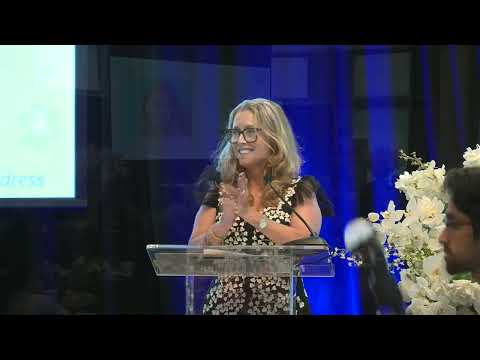
Jessica Rock, Georgia’s state animal crimes resource prosecutor and a special assistant U.S. attorney, told the State of DeKalb Animals audience that timely coordination between enforcement, shelters and prosecutors is essential to prevent animals from languishing in shelters while criminal cases proceed.
"When used effectively, this law is one of the most important tools we have to prevent animals from languishing in shelters," Rock said of Georgia's cost‑of‑care mechanism and urged early filings and clear evidence collection to move cases more efficiently.
Rock traced DeKalb's history of prosecutorial attention to animal crimes and said the FBI's formal tracking of animal cruelty (since 2016) elevated how law enforcement and prosecutors view these offenses. She emphasized evidence collection—photographs, body‑worn camera footage and veterinary forensic assessments—as critical to building strong cases.
Panelists described operational pain points that increase the number of court‑held animals. Natasha Wallen, director of animal enforcement services, said field responses often require coordination with police, fire and code enforcement and that varying city and county ordinances complicate enforcement. Rebecca Gwen, CEO of Lifeline Animal Project (the organization that manages DeKalb’s shelter under contract), described how prolonged court holds consume housing, veterinary and staff resources and how live‑evidence fosters and volunteers have been essential to keeping animals safe.
State legislative updates at the event noted recent and pending bills. Peggy McCarthy summarized several 2026 measures: HB1408 (authorizing licensed veterinary technicians to administer rabies vaccines under direct supervision), HB1195 (clarifying veterinary telemedicine and teletriage provisions), HB668 (service animal statute updates), and HB587 (establishing an animal cruelty database to be administered by the Prosecuting Attorney's Council of Georgia, subject to appropriations). McCarthy said five of nine animal‑related bills considered in the session had passed both chambers as of the prior night; she said other bills (ban on cockfighting, puppy mill standards) did not pass this cycle.
Ladina Bolton, representing CEO Lorraine Cochran Johnson, warned of a separate state proposal (House Bill 369) that she said would remove certain local authorities for select metro counties; she framed that as a threat to local control. That bill was raised as a concern by speakers but no formal debate or response on it occurred during the event.
Panelists recommended several practical steps: training enforcement officers and prosecutors in animal crime investigations; using body cameras and forensic veterinary assessments; encouraging early prosecutor engagement; and using legal tools like cost‑of‑care petitions or pretrial ordinance dispositions to reduce shelter stays. Rock also offered to be a training resource for local agencies.
Next steps: panelists and county staff said they will pursue trainings, coordinate on evidence protocols and move forward with pilot expansions of mobile clinics and transport services. Several legislative items mentioned are subject to further amendment or appropriation before they take full effect.