Get Full Government Meeting Transcripts, Videos, & Alerts Forever!
Get email alerts on the Animal Services Funding topic
No spam. Unsubscribe anytime.
DeKalb commissioner announces expanded funding, spay‑neuter targets and shelter investments
Summary
Commissioner Michelle Long Spears highlighted new county investments and local programs aimed at reducing shelter overcrowding, including stepped‑up spay/neuter targets, vouchers and a mobile clinic program; Lifeline and county partners described capacity pressures from court‑held animals.
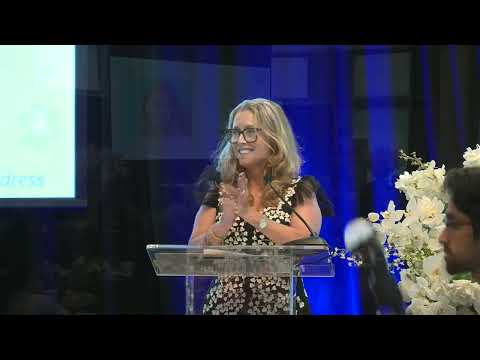
Commissioner Michelle Long Spears, DeKalb County District 2 commissioner, told attendees at the third annual State of DeKalb Animals address that the county is investing more in prevention and care to reduce shelter overcrowding.
"When animals are safe, healthy, and feel protected and cared for, our communities are stronger, safer, and more compassionate," Long Spears said during opening remarks.
Long Spears cited 2025 shelter figures and program targets in laying out the county's approach. She said total intake in 2025 was 9,666 animals and that adoptions rose 23.4% to 5,786. Returns to owners were reported at 1,167. Long Spears said foster placements and community programs are contributing to better outcomes and that the county remains challenged by court‑held animals, which she reported at one point numbered about 76.
On funding, Long Spears said the county has increased resources for animal services in recent years and noted targeted annual spending to expand preventive care. She told the audience the county is increasing free spay/neuter surgeries "from 1,000 last year to 4,800 this year," and she set a longer‑term goal of about 6,000 spay/neuter procedures annually by 2027. The commissioner said District 2 funded 436 vouchers to help community cat programs and that the county is purchasing and funding a mobile spay/neuter vehicle to reach more neighborhoods.
The event showcased training and service partnerships. Long Spears described high‑volume spay/neuter training run with Lifeline Animal Project, Paws Atlanta and the United Spay Alliance; she said the county supported trainings that certified veterinarians in high‑volume techniques and cited earlier spayathon events that sterilized several hundred animals at no cost to residents.
Rebecca Gwen, CEO and founder of Lifeline Animal Project, said capacity pressures at the county shelter have been acute since the pandemic and that court‑held animals in particular use disproportionate housing and veterinary resources. "If it weren't for the volunteers and the foster program, I don't think we'd be able to make it through," Gwen said, describing how fosters and volunteers absorb operational strain while shelter staff manage large seizures and medically complex arrivals.
Speakers also noted access barriers in parts of the county. Panelists and county staff said investments will include doubling mobile clinic visits to underserved areas and funding a transport vehicle to bring pets to care. Those steps are intended to make low‑cost or free services more reachable for residents without vehicles.
Long Spears closed by urging residents to foster, volunteer and attend public meetings to stay involved: "Every single person could bring something to the table, even if it's a 30‑minute walk of a dog at the animal shelter," she said.
What happens next: the county plans roundtable discussions after the luncheon to help guide implementation of mobile services, spay/neuter scheduling and outreach to ZIP codes with the highest intake rates. Several program details and some budget line items were described during the address but not all budget documents were shown at the event; county staff were cited as working to post fuller reports for public review.