Lifetime Citizen Portal Access — AI Briefings, Alerts & Unlimited Follows
Residents demand independent review after 25 sled dogs starve; assembly hears weeks of testimony
Loading...
Summary
Dozens of residents, mushers and rescuers told the Matanuska-Susitna Borough Assembly that repeated calls about a Caswell kennel went unheeded, asking for an external investigation, transparency from borough animal-control staff and accountability for failures that preceded the deaths of 25 dogs.
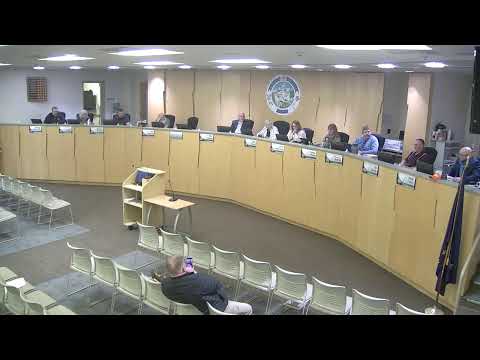
Dozens of residents and members of the mushing community filled the borough chambers Tuesday night to press elected officials for action after the deaths of at least 25 sled dogs at a licensed kennel in Caswell Lakes.
Speakers recounted multiple reports to the borough’s animal-control office beginning in January and said volunteers who offered food, water and shelter were repeatedly told to stand down. Several witnesses said they were told by an officer that the situation was 'under control' and quoted that officer as promising, 'I will not let these dogs starve,' comments members of the public said were not honored in the ensuing weeks.
The assembly heard names and firsthand accounts from volunteers and former kennel staff. Holly Thorson, a longtime foster and rescuer, told the assembly those dogs 'waited for months on end for the humans who are supposed to care for them,' and called the outcome 'an epic failure on the part of Mat-Su animal control.' Jessica Scalfa, who said she worked with the animals last summer and named multiple dogs individually, called the deaths 'very, very preventable.'
Manager Brown told the assembly earlier in the evening that state troopers arrested the dog's owner and that the borough had initiated an independent review of the borough's enforcement actions. He told the assembly the review would be transparent and would include outside reviewers; he did not provide a timeline for the report.
Speakers urged two separate lines of action: criminal prosecution of individuals who owned or neglected the animals, and structural fixes to borough animal-control policy and kennel-licensing rules. Several commenters asked the assembly to require more frequent facility inspections, shorter licensing renewal cycles and mandatory on-site checks or veterinarian attestations to reduce the chance that licensed kennels can deteriorate without official detection.
Some testifiers called for immediate personnel changes at the animal-care unit. Assemblymember Bowles moved to direct the manager to place the animal-control officer involved on leave without pay during the investigation; that motion failed after debate, with only two members supporting the directive. The borough attorney cautioned the assembly that personnel directives could implicate labor agreements and that the manager, who supervises borough staff, typically handles employment matters.
Several speakers urged the assembly to sponsor an outside, independent investigation and to establish a stakeholder advisory group to recommend changes to kennel licensing, enforcement procedures and recordkeeping. Multiple witnesses said records were incomplete or unavailable and that calls and emails about the kennel were not documented in ways residents could track.
The manager said he was considering an external review and would provide more detail once the review process was defined. The assembly did not adopt any personnel directive but recorded strong public pressure for an outside investigation, changes to licensing oversight, and clearer, written animal-control procedures.
The assembly’s next procedural step is to receive the manager’s update on the external review and any proposed code or policy changes; several members asked staff to return with options for a citizen advisory group or amendments to kennel licensing that would increase inspection frequency and documentation requirements.