Get Full Government Meeting Transcripts, Videos, & Alerts Forever!
Get email alerts on the Probation Report topic
No spam. Unsubscribe anytime.
Probation office reports caseload declines, job event and treatment metrics
Summary
Ms. Baker reported the probation office averaged about 748 clients over January—March, with 233 new cases, 271 closed cases, 2,557 scheduled appointments and 253 drug screens (51 failures); staff also ran a job/education event that drew 53 clients and produced several job offers.
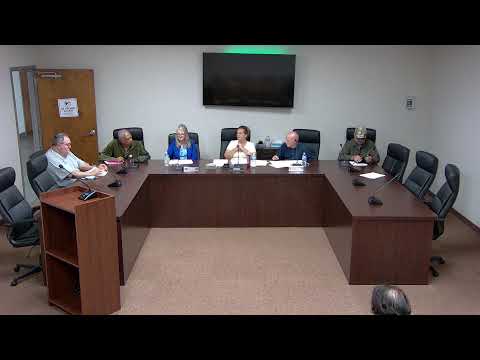
Ms. Baker presented the probation office's January—March quarterly report to the Coffee County Law Enforcement Committee on April 22, describing caseload counts, program completions and outreach.
She said the office served roughly 748 clients on average during the period, opened 233 new cases and closed 271 cases. The office scheduled 2,557 client appointments during the quarter; 435 appointments were canceled or rescheduled and 212 were no-shows. Ms. Baker told the committee that staff completed 253 drug screens in the period (158 passed, 51 failed and the remainder listed as "other") and that 122 violation warrants were resolved.
Ms. Baker described program completions and in-house classes: 95 alcohol and drug evaluations, 36 outpatient programs completed, 14 inpatient programs completed, 56 DUI-school completions, 18 clients completed theft class and 11 completed batterers-intervention (a 26-week program). She said the office runs a theft class in-house for a workbook cost of $11 and provides two staff members to teach several sessions each year.
The probation office ran a workforce-development event that hosted community partners (TCAT, truck-driving schools, beauty school and staffing agencies) and drew 53 clients; several attendees reportedly received job offers or learned about returning to school despite criminal records. Ms. Baker said the event aimed to connect clients with training and employers and that truck-driving schools elicited strong interest.
On staffing and training, Ms. Baker said the office is now fully staffed after a recent retirement and noted CTAS/CTAS-related certification costs (a $300 registration fee and $100 annual renewal) that the office covers as part of training budgets. She said the office will continue to coordinate treatment placements and contact social workers and treatment centers to set intakes when needed.
The committee asked questions about how treatment completion is verified and whether community volunteers or groups can assist clients; Ms. Baker said confidentiality limits public sharing of client treatment details, but community groups can offer support through nonconfidential pathways.
Next steps: probation will continue client outreach, workforce events and monitoring the metrics reported; the committee acknowledged the report and had no immediate action to take.