Get Full Government Meeting Transcripts, Videos, & Alerts Forever!
Get email alerts on the Utilities topic
No spam. Unsubscribe anytime.
Albany commissioners spar over new utility convenience charges as manager promises support for seniors
Summary
Commissioners debated a recently implemented 50¢ paper-billing charge and proposed credit-card convenience fees after staff said the FY26 budget authorized charges the city had delayed implementing; City Manager Terrell Jacobs apologized for delayed communication and outlined steps to help seniors and roll out an app for usage monitoring.
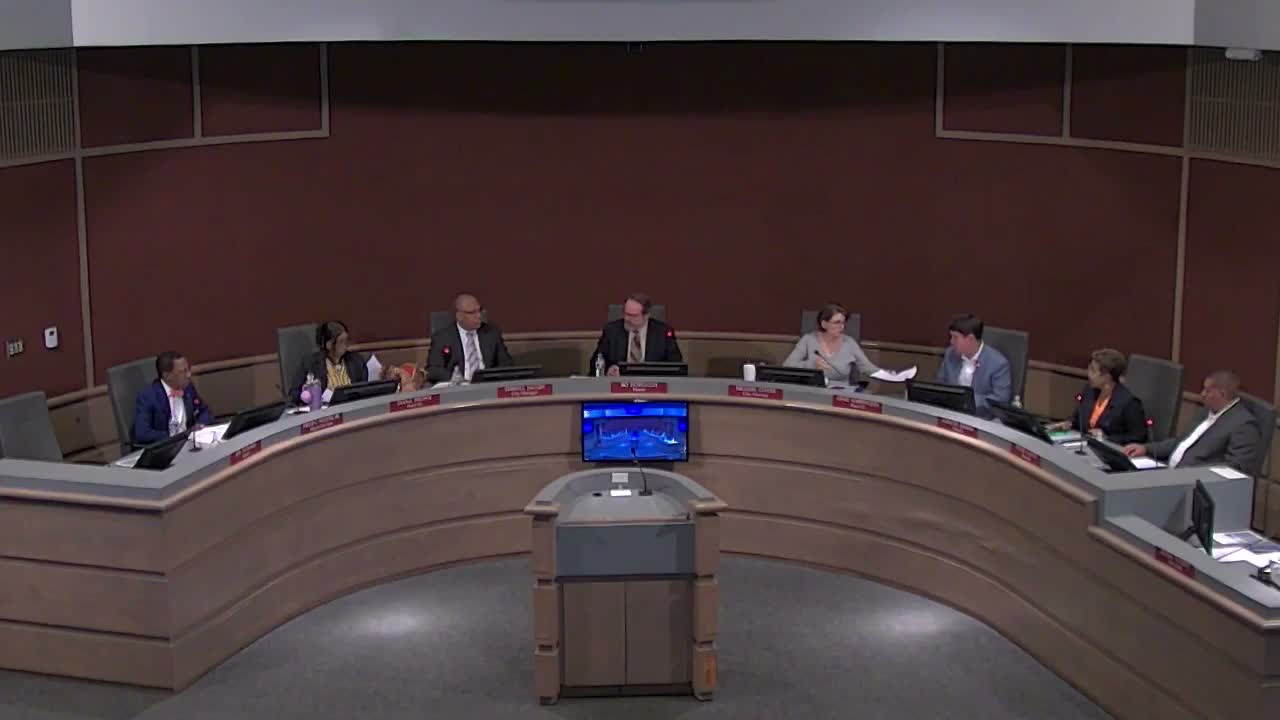
A dispute over small new utility fees dominated public comment and commission discussion at the Albany City Commission's March 2026 meeting.
Commissioner Diana Brown pressed city leaders over a 50-cent paper-billing charge and broader convenience fees she said were appearing on constituent accounts and social media. Brown said the fees disproportionately harm seniors and people on fixed incomes and criticized the city for the way the change reached the public: "Why should we pay 50¢ for them to receive a bill?" she asked, saying many older residents lack digital access and would be further burdened by new charges.
City Manager Terrell Jacobs said the fee structure has roots in the adopted FY26 budget: the commission previously approved an administrative convenience fee and the city has been absorbing merchant-service costs tied to card payments. Jacobs said those merchant-service charges can reach about 3% of a transaction and that the city absorbed roughly $700,000 a year in those costs until the recent policy changes. He said the 50¢ item was meant to offset the direct cost of mailing paper bills, which he estimated can exceed $3 per bill.
Jacobs acknowledged poor timing in communications and blamed delays on software vendors: the changes were approved last July but not fully tested until January 2026. "We probably should have communicated to y'all this is forthcoming," he said, and he apologized for the gap between approval and implementation.
To reduce consumer burden, Jacobs said customers can avoid card convenience fees by paying with check, cash or other non-card online methods; the city is also deploying an AMI meter portal and an app that will let customers monitor hourly consumption and set alerts. Jacobs said staff will set aside personnel to help seniors and others who cannot use the digital tools.
Mayor Beau Dura and other commissioners framed the change in a national context: rising energy costs are driven in part by natural gas and oil market volatility, they said, and the city's heavier reliance on nuclear generation reduces some exposure to those swings.
The meeting produced no motion to roll back the FY26-approved budget items; Jacobs said staff would provide follow-up materials and additional consumer-assistance plans. Commissioners asked staff for clearer advance notice when utility-board items are expected to reach the public.