Lifetime Citizen Portal Access — AI Briefings, Alerts & Unlimited Follows
Estes Park students build solar lanterns for donation through Engineering Brightness
Loading...
Summary
Elementary students in Estes Park demonstrated an Engineering Brightness project, assembling nearly 200 solar-powered lanterns with 3D-printed cases and soldered circuitry for donation—many destined for Liberia—highlighting hands-on STEM education and community service.
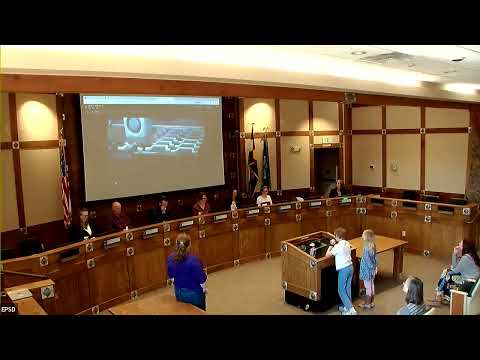
Polly Greenblatt, a computer-science teacher in the Estes Park School District R-3, told the board that elementary students have built almost 200 solar lanterns as part of an Engineering Brightness project, and that the work pairs classroom learning with global service.
"Somewhere in the world, someone's gonna have light because of you," Greenblatt said, telling the board the lanterns include a solar panel and rechargeable battery so recipients do not need to buy replacement batteries. She described the project as tied to fourth-grade science standards and district global outcomes.
Students who helped build and test the lanterns spoke to the board about soldering and assembling the devices. One student said soldering was "really cool" and described learning to avoid short circuits during the project. Greenblatt said cases are 3D-printed in the classroom and a partner teacher in Liberia has requested about 3,000 lanterns; she also noted some lanterns in past years went to Guatemala.
The presentation included hands-on demonstrations and a short video produced by a student, and Greenblatt asked the board to recognize the educational value of combining circuitry lessons, soldering practice and global awareness. Board members praised the program as "fantastic" and thanked students for their participation.
The district gave details on classroom time: students rotate through several sessions of circuitry practice and soldering warm-ups, with the entire build process described as spanning multiple class periods from initial instruction to casing and testing. Greenblatt said the project lets students see immediate, real-world impact from their work.
The presentation closed with the board thanking the students and inviting attendees to view the lanterns and accompanying practice projects. The program will continue as part of classwork and after-school activities, with ongoing plans for assembling and shipping additional lanterns.