Get Full Government Meeting Transcripts, Videos, & Alerts Forever!
Get email alerts on the Economic Stability topic
No spam. Unsubscribe anytime.
Ansmil warns of fiscal risks as Libya signs Annex 1 to unified spending framework
Summary
An Ansmil representative said Libya’s economy is deteriorating, warned that oil revenues are being diverted into a distorted political economy, and welcomed April 11 signing of Annex 1 to a unified development program for a 2026 spending framework while stressing that its impact depends on political commitment and oversight.
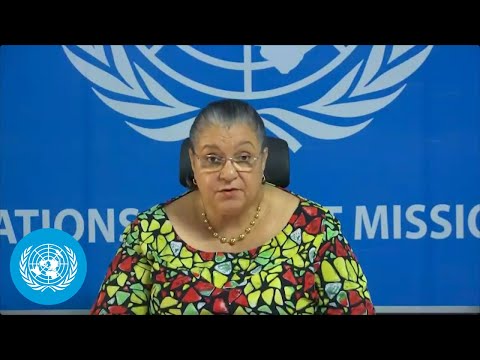
An Ansmil representative told the Security Council that Libya’s economic indicators are worsening and that opaque public spending and diversion of oil revenues are weakening state capacity.
"Libya's economic situation is deteriorating sharply," the representative said, citing currency pressures, rising prices, fuel shortages, uncontrolled public spending and growing poverty. He said these trends feed public anger and increase risks of instability.
The representative referenced a panel of experts’ findings released two days earlier that, he said, explain the erosion of the state's capacity to govern and described a "distorted political economy that fuels unaccountable spending and weaponizes oil revenues." He welcomed the April 11 signing of Annex 1 to the unified development program by members of the House of Representatives and the High Council of State, which adopts a unified spending framework for 2026, but cautioned that its effect will hinge on political leaders' commitment and independent oversight.
The briefing called for concrete improvements in hydrocarbon governance, stronger linkage between allocations and centralized salary systems, and adoption of an updated anti‑money‑laundering and counterterrorist financing law to reduce diversion of resources and reinforce fiscal discipline.