Get Full Government Meeting Transcripts, Videos, & Alerts Forever!
Get email alerts on the Procedures Ethics topic
No spam. Unsubscribe anytime.
Commissioners review meeting procedures, ethics and closed-session rules in annual training
Summary
At its March 12 meeting the South Weber Planning Commission received annual training on meeting procedure, motions, public hearing roles, conflicts of interest/gift rules and closed-session criteria; staff emphasized clear motions and recordkeeping to support decisions and appeals.
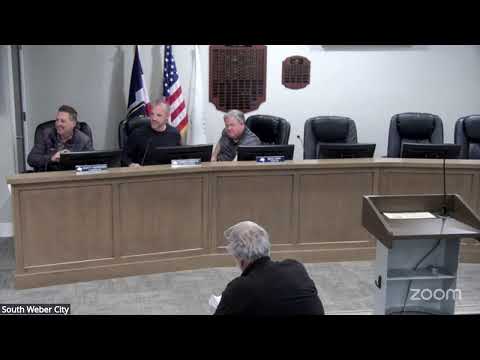
At the March 12 meeting, South Weber Planning Commission members completed annual training on meeting procedure, ethics and closed-session rules.
City staff (S1/Lance) led the session, explaining how meetings should be run and why clear motions and findings matter. "Every motion has 6 steps: move, second, restate the motion, discuss, then vote, then announce," staff told commissioners as part of the procedural overview.
Staff described the difference between legislative actions (rezones and general-plan amendments, which require public hearings and council action) and administrative reviews (conditional-use permits and subdivisions, which staff typically handle against established standards). The trainer emphasized that the commission’s role is to determine whether an application meets the code, not to make decisions based on public outcry.
The group reviewed ethics guidance: no use of office for personal benefit, disclosure and recusal when financial relationships exist, and longstanding local practice about small-value gifts noted in the training slides. Staff and commissioners discussed practical issues in a small community — for example, that social relationships are not itself disqualifying but financial relationships require recusal.
Commissioners also asked about closed-session practice and records: staff explained closed sessions are typically used for real estate negotiations, litigation strategy or personnel matters and noted limits on public release and when closed-session material may become discoverable during litigation.
Why it matters: staff said consistent application of parliamentary rules and careful recordkeeping help create clear findings that reduce litigation risk and make it easier for a future reviewer to understand the basis for a decision. The training concluded with a motion to adjourn the meeting.