Lifetime Citizen Portal Access — AI Briefings, Alerts & Unlimited Follows
Presenter outlines how to recognize opioid overdoses and how to administer naloxone
Loading...
Summary
A presenter walked through signs of opioid overdose, step-by-step naloxone administration for intranasal and injectable forms, recovery positioning, when to call 911, and noted New Jersey's Overdose Prevention Act provides legal immunity for rescuers.
The presenter led a training on recognizing and responding to opioid overdoses, saying the priority is restoring breathing and getting medical help. The presenter described key signs — unresponsiveness to voice or touch, slow or stopped breathing, pale or bluish skin or lips, pinpoint pupils, faint heartbeat, limp limbs, vomiting or gurgling (sometimes called the “death rattle”) — and urged bystanders to treat any uncertain situation as an overdose.
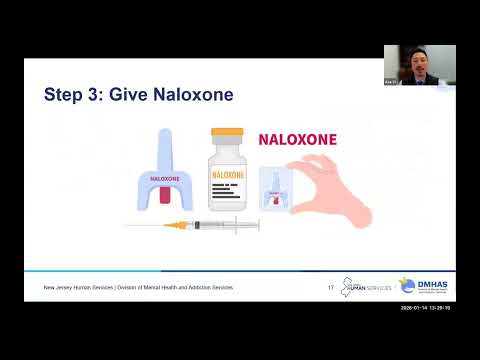
The presenter instructed a five-step response: (1) try to rouse the person by calling their name and shaking; (2) call 911 immediately, especially because modern overdoses can include adulterants that may require advanced care; (3) give naloxone (covering both intranasal and injectable forms); (4) wait 2–3 minutes for the medication to work and repeat doses as needed while providing rescue breaths if possible; and (5) stay with the person until EMS arrives.
On intranasal naloxone the presenter said to place the person on their back, open the pouch, and note that a 4 milligram kit typically contains two single-dose units. Hold the device with your thumb on the plunger and nozzle between your fingers, place the tip in the nostril (do not jam it), and press firmly until resistance to deliver the full dose. Because single-dose nasal units contain only one dose, the presenter said a second unit must be used if the person does not respond.
For injectable naloxone the presenter described removing the vial cap and needle cap, flipping the vial, drawing up 1 ml, and injecting intramuscularly into the upper arm or thigh; the presenter said “1 ml, which is approximately 0.4 milligrams,” but the transcript wording is ambiguous about the concentration and may reflect the presenter's description rather than a precise concentration measurement. The presenter also advised safe sharps disposal after injection.
The presenter emphasized monitoring the person for 2–3 minutes after each dose and administering another dose every 2–3 minutes if there is no response, alternating nostrils for successive intranasal doses and starting rescue breaths if the person is not breathing. If the person regains breathing or consciousness, put them in the recovery position on their side with supporting limbs and a hand under the chin to reduce the risk of choking on vomit.
Closing the session, the presenter urged people not to hesitate to administer naloxone, noting “naloxone will not harm them if opioids are not in the system,” and said New Jersey’s Overdose Prevention Act provides legal immunity to anyone who gives naloxone or calls 911 in good faith when they reasonably believe another person is experiencing an opioid overdose. The presenter reiterated that contacting emergency services is critical because some adulterants can require additional medical treatment.