Get Full Government Meeting Transcripts, Videos, & Alerts Forever!
Get email alerts on the Juvenile Justice topic
No spam. Unsubscribe anytime.
Bill to apply 12‑month probation presumption to youth in out‑of‑home placements draws mixed reaction
Summary
AB 18 86 would extend the 12-month presumptive probation termination to youth in out-of-home placements and those leaving secure youth treatment facilities; youth advocates urged the change as vital for rehabilitation, while juvenile judges, probation chiefs, and sheriff associations warned the presumption is not appropriate for high-need youth.
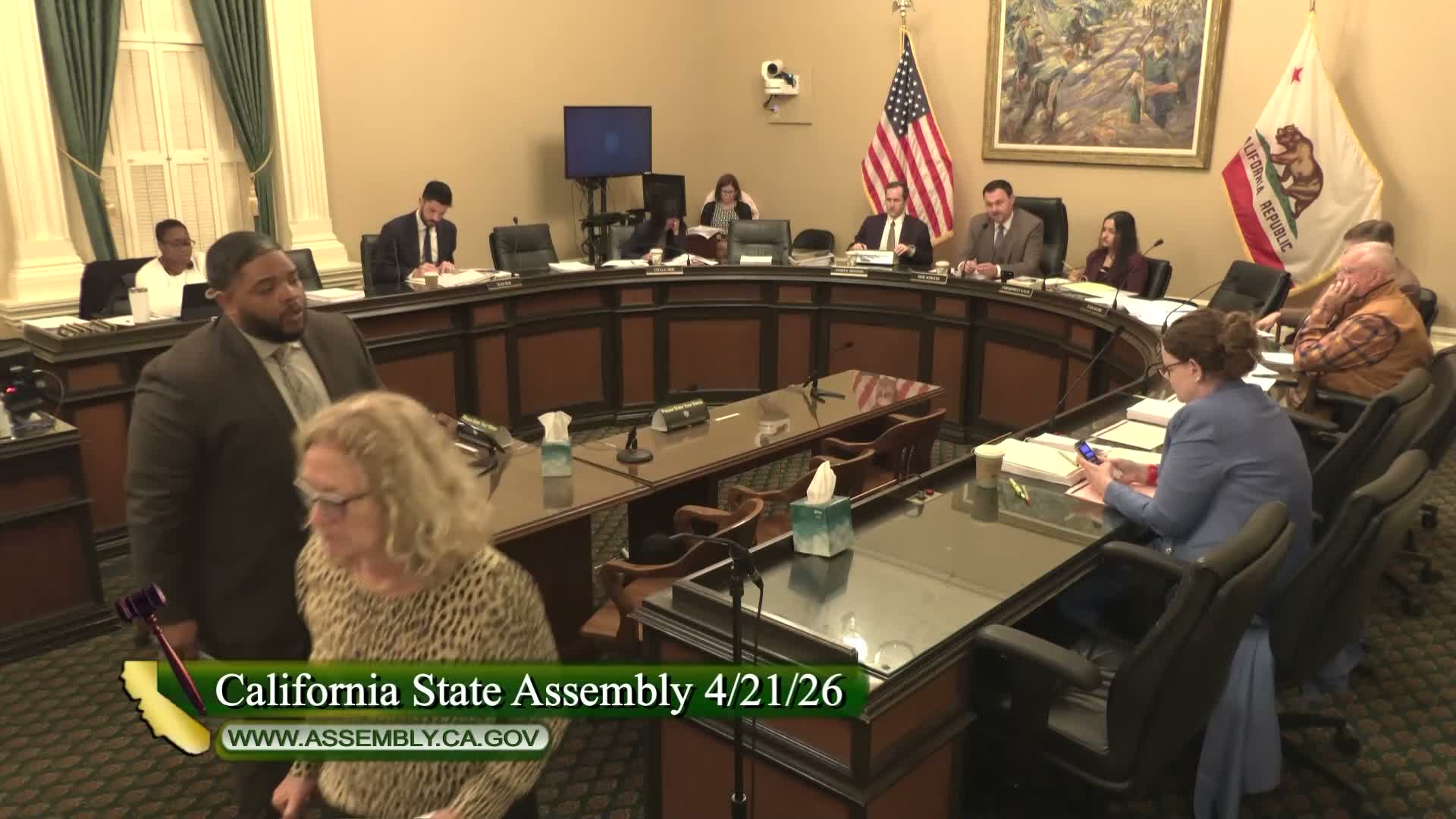
Assemblymember El Hawari presented AB 18 86 to close a gap in current juvenile-probation law so youth in out-of-home placements and those discharged from secure youth treatment facilities receive the same 12‑month presumptive probation timeline and regular judicial review that youth living at home now receive. The author said the bill seeks fairness and clearer timelines to prevent unnecessarily prolonged supervision that can impede young people’s rehabilitation.
Youth witnesses described lived experience with long probation terms after custody and argued the bill would shift the burden to the system to justify continued supervision. ‘‘Why does this young person still need to be here?’’ one witness asked, saying a presumptive timeline creates urgency and focus for services.
Opposition witnesses — including the California Judges Association, chief probation officers, and county sheriffs’ representatives — argued the populations singled out by the bill often have the most complex needs and that a one‑year presumption may pressure courts to prioritize timelines over individualized rehabilitation plans. They urged either exemptions or a narrower approach; the author indicated willingness to work with judicial partners and said the bill is voluntary for counties that choose to adopt the structure.
Members acknowledged the tradeoffs. Some expressed support and noted intended amendments to exempt certain counties (the author said she planned changes to exclude Los Angeles County after conversations); others said they would withhold a final vote until technical issues and implementation risks were addressed. The chair recommended an "I" and asked the author and stakeholders to continue negotiations on carve-outs and procedures for youth with high needs.
The hearing included many coalition cosponsors, and members urged continued conversations with juvenile-court stakeholders as the bill advances.