Get Full Government Meeting Transcripts, Videos, & Alerts Forever!
Get email alerts on the Land Use Data Center topic
No spam. Unsubscribe anytime.
Residents press council on Deep Green data center as rezoning, sale hearings advance
Summary
Dozens of residents told Lansing City Council they oppose a proposed Deep Green data center, raising concerns about fuel-cell emissions, traffic, and opaque contracting as council set public hearings on rezoning and a city-property sale tied to the project.
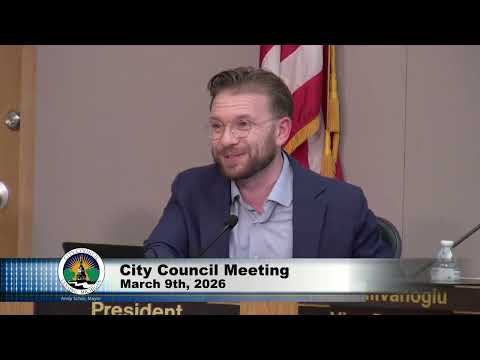
Lansing residents and business owners on Monday told the City Council they oppose a proposed Deep Green data center and urged more scrutiny before the city advances related rezoning and property-sale steps.
At the meeting the council set a public hearing for a conditional rezoning (Z3, parcels on East Kalamazoo, South Cedar and South Larch) for April 6, 2026, and scheduled a second hearing on a related sale of city-owned property for March 23, 2026. Council members referred the special land-use and noise-permit items for committee review while the public comment period drew sustained opposition.
“Really, that's just a few of the many questions I have about this facility,” said Ivan Droste, who said a site plan labeled an area for fuel storage and asked whether solid-oxide fuel cells would sit on site and what their capacity would be. Droste added, “it really seems like the opportunity for questions has come and gone as we rapidly hurdle towards this inevitable rubber stamp.”
Several commenters raised environmental and community-impact concerns. Jerry Norris said the project now combines a data center and a power plant and warned that the solid-oxide fuel cells would emit CO2; he urged the council to review the service contract with Bloom, the firm expected to manage the fuel cells, “before you make any decision.”
Small-business owner Alec Garza said residents were skeptical of the claimed fiscal benefits. “Let's say it brings $1,000,000 to our city each year… that's about $8 a year per person,” he said, urging the council to weigh broader community value beyond a revenue figure.
Council members introduced ordinances to refer rezoning and the buy-sell agreement for further review and set the public hearings noted above. Staff told council that planning had found the SLU (special land use) and related documents fit the area and that planning had recommended approval, but several public speakers questioned the planning-process deliberations and requested more transparency on contracts and the location and operational details of the energy equipment.
The council did not vote to approve the data center itself; instead, it moved the process forward with public-hearing dates and further committee consideration. The buy-sell agreement and related materials were placed on file for council review.