Get Full Government Meeting Transcripts, Videos, & Alerts Forever!
Get email alerts on the Business Development District topic
No spam. Unsubscribe anytime.
Macomb council adopts Business Development District ordinance, imposes three 1% local taxes
Summary
The Macomb City Council approved an ordinance establishing Business Development District No. 1 and imposing a 1% retailers occupation tax, 1% service occupation tax and 1% hotel operators occupation tax within the district. Supporters said the revenues will fund redevelopment; some local business owners warned the added tax could deter shoppers.
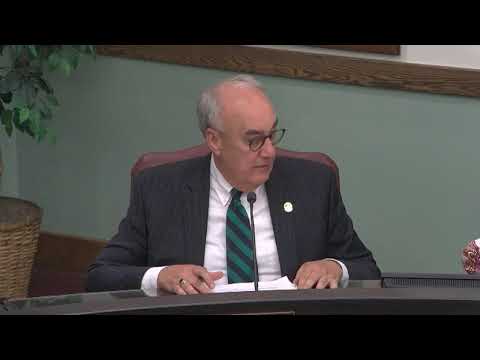
The Macomb City Council on Monday adopted an ordinance creating the Macomb Business Development District No. 1 and imposing a 1% retailers occupation tax, a 1% service occupation tax and a 1% hotel operators occupation tax within the designated area, with the levies to begin Jan. 1, 2026.
City Attorney (reading the ordinance) told the council the BDD plan finds parts of the proposed area qualify as blighted, describes eligible project costs and sets up a special tax allocation fund to pay or reimburse business district project costs. The ordinance states the Illinois Department of Revenue will collect and enforce the retailer and service occupation taxes; the city will collect the hotel operator tax.
Why it matters: Council members said the BDD is a development tool designed to attract new retail and commercial investment and to "stack" with other incentives such as existing TIF programs. Administrator Coker summarized the outreach and deliberations that led to the proposal, noting multiple committee and council meetings and materials posted online to inform the public.
During public comment, resident Keenan Albright said the district could "go a really long way to improving the business district" but urged more private-business involvement, recommended façade grants and ADA improvements, and expressed concern about rumors the BDD was tied to a sports complex that could compete with local businesses. Ian Nelson, a fourth-generation downtown business owner, urged council to vote no, arguing an added sales tax would deter consumers and make Macomb less competitive with nearby cities.
Alderman Vojezi defended the 1% rate and local comparisons, saying the levy on a $100 purchase translates to $1 and that leaving deterioration unaddressed would cost the city in the long run. Other council members said the BDD provides another financing tool to address vacant lots, site preparation and façade work and that a 23-year term is standard for such districts.
The council voted by roll call to adopt the ordinance; the motion carried on an "all ayes" vote. The ordinance text specifies a number of exemptions (for example, certain food and prescription items) and requires the city to file a certified copy of the ordinance and boundary description with the Illinois Department of Revenue by Oct. 2025.
The ordinance will be in effect after passage; the taxes described in the ordinance will not take effect until Jan. 1, 2026, as the text specifies. The council did not adopt any separate, immediate appropriations in Monday's action beyond establishing the BDD and its taxing authority.