Get Full Government Meeting Transcripts, Videos, & Alerts Forever!
Get email alerts on the Un Secretary General Candidacy topic
No spam. Unsubscribe anytime.
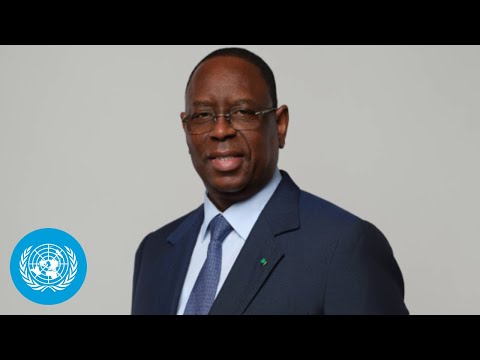
Macky Sall lays out UN priorities in bid for secretary-general
Summary
Macky Sall, former president of Senegal and candidate for United Nations secretary-general, told member states he would prioritize restoring trust in the Organization, accelerating UN reform (including Security Council reflection), mobilizing financing for development, strengthening preventive diplomacy and using AI to improve multilingual access.
Macky Sall, former president of Senegal and a candidate for United Nations secretary-general, used his presentation to outline a program centered on restoring confidence in the Organization, reforming management and governance, and mobilizing new financing for development.
"Si j'ai l'honneur de servir comme secrétaire général, ma première priorité sera de contribuer à restaurer la confiance," Sall said, pledging an impartial secretariat "qui parle à tous et qui écoute tous." He framed his candidacy as grounded in nearly four decades of public service and said he would pursue "une diplomatie préventive" to strengthen early warning, mediation and cooperation with regional organizations.
Sall placed rights protection and the Sustainable Development Goals at the heart of his agenda, saying the UN must keep human rights "au coeur de l'agenda" while preparing a post‑2030 development process. On financing, he proposed a partnership-driven approach to development finance: greater roles for investment and trade, improved access to credit, and closer engagement with Bretton Woods institutions, the OECD and private actors to catalyze mixed funding.
On the Organization's internal reforms, Sall said he would pursue greater transparency and efficiency, coordinate agencies and funds to avoid duplication, and accompany member states in a consensual process to consider Security Council reform. "Faire évoluer les Nations Unies, c'est également réformer le Conseil de sécurité," he said, adding that such reforms must preserve the council's effectiveness and legitimacy.
Delegates used the interactive segment to press him on concrete issues. The representative of Peru asked about multilingualism and use of Spanish; Sall said the six official UN languages are a resource and that he would "travailler aussi avec l'intelligence artificielle" to ease translation while retaining human validation by interpreters. "Nous avons 6 langues officielles... je vais travailler aussi avec l'intelligence artificielle pour que non seulement les 6 langues officielles soient vraiment pratiquées de façon plus facile," he said.
Several African delegations raised the absence of African permanent seats on the Security Council. A speaker for the African Group asked how Sall would leverage his authority to advance intergovernmental talks on council reform and to implement "la résolution 27 19," a measure cited in the debate as relevant to UN support for AU‑led peace operations. Sall said he would "accompagner les États membres dans le processus en cours" and favoured a consensual approach to any change.
Sall also highlighted the organization’s overextension and financing shortfalls for peace operations, citing a fall in peacekeeping resources "de près de 7,000,000,000 à presque 5,000,000,000" in the period referenced in the transcript and warning that resource constraints complicate mission delivery. He committed to work with member states and regional partners to sustain operations where needed.
On climate and vulnerable island states, Sall said adaptation finance and an equitable transition are priorities, referencing COP outcomes and the need to ensure funds reach countries most at risk. He repeatedly framed his approach as facilitation and dialogue, saying the secretary-general should be impartial and a builder of bridges among member states.
The session closed with Sall reiterating respect for the UN Charter and a pledge to pursue reforms in consultation with member states. The interactive dialogue did not record a decision; it served as an early opportunity for member states to hear his vision and put questions on the record.