Lifetime Citizen Portal Access — AI Briefings, Alerts & Unlimited Follows
Council approves Town Center 'French Corner' redevelopment and creates 1% CID after split vote
Loading...
Summary
The council approved a two‑building redevelopment at Town Center Plaza’s former Houlihan’s site and created a parcel-specific 1% community improvement district (CID) to reimburse eligible exterior project costs; the CID passed 6–2 after extended debate about taxpayer impacts and economic benefits.
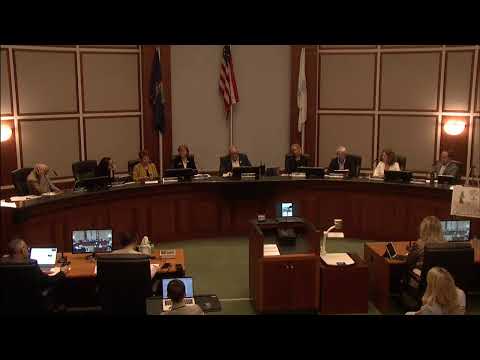
The Leawood City Council on April 24 approved a redevelopment plan for the former Houlihan’s outparcel at Town Center Plaza and authorized a parcel-specific community improvement district (CID) that levies a 1% additional sales tax on patrons of the four new restaurant spaces to reimburse eligible exterior project costs.
Drake Development presented the plan for two new buildings totaling roughly 16,700 square feet with four restaurant tenant spaces and enhanced pedestrian connections to the larger Town Center. Ian Mooseman, Drake’s representative, outlined the economics of the proposal: “We’re looking at about a $22,000,000 investment here,” he told the council, saying the developer will contribute roughly $18.2 million and tenants about $4 million in build-out.
To make the project financially viable, Drake asked the council to create a CID limited to the four new restaurant parcels. City staff explained the CID mechanics and limits: the proposed CID would add 1% in sales tax on purchases at the parcel, return up to $4.3 million to the developer or 25% of eligible project costs (whichever limit applies), and would run up to 22 years with administrative fees to the city.
Council debate was robust and divided. Opponents, including Council Member Harrison, objected to what they described as an “invisible” user tax that increases the price of dining for patrons and questioned whether Town Center needed an incentive given its market demand. “I have concern about these invisible taxes that are put onto our residents,” Harrison said during deliberations.
Supporters said the CID is a targeted, user-funded tool that enables investment and new retail that otherwise might not locate here. Council Member Gayed framed the CID as the type of limited toolbox the city uses sparingly for strategic redevelopment.
After a public hearing with no speakers, the council voted 6–2 to create the CID and authorize the financing structure and development agreement as presented.
What the CID includes: a 1% add-on sales tax on the parcel’s transactions, an administrative fee to the city (the greater of $5,000 or 1% per year), coverage of city administrative/legal fees from CID revenues, and a $4.3 million cap on reimbursements or 25% of eligible costs.
What’s next: With plans and the CID approved, staff and the developer said they expect demolition and site work to move quickly if tenant agreements proceed; the developer projected tenant announcements within 30–90 days and a potential spring–summer 2027 opening if the project moves forward.