Get Full Government Meeting Transcripts, Videos, & Alerts Forever!
Dr. David Nast of Ramapo College advises parents on legal differences, disclosure and housing for students with disabilities
Summary
At a Special Education Parent Advisory Group event, Dr. David Nast explained how K–12 protections differ from college law, when students must disclose disabilities, the documentation colleges expect, common accommodations and housing challenges including emotional support animals and single‑room requests.
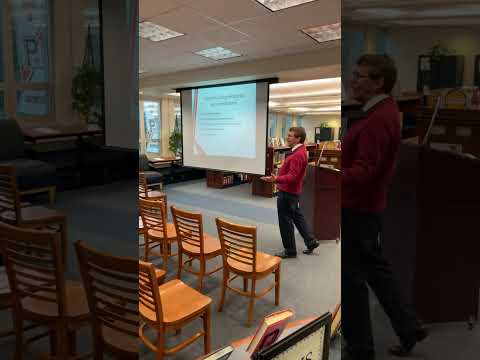
Dr. David Nast, director of the Office of Specialized Services at Ramapo College, told parents at a Special Education Parent Advisory Group meeting that students and families must treat college disability support differently than K–12 services because the governing laws and practical expectations change.
"In the high school set, the primary law that supports students with disabilities is IDEA," Nast said, noting IDEA’s protections end at graduation. "What becomes paramount when we're talking about disability laws is Section 504 of the Rehabilitation Act as well as the Americans with Disabilities Act." He added those federal laws require reasonable accommodations and equal access but do not obligate colleges to fundamentally change degree‑program requirements.
Why that matters, Nast said, is that an individualized education program (IEP) and certain high‑school modifications do not transfer automatically to college. Parents should not assume college will continue IEP‑level supports: "Students choose whether to affiliate with the disability support office," he said, but "to receive…
Already have an account? Log in
Subscribe to keep reading
Unlock the rest of this article — and every article on Citizen Portal.
- Unlimited articles
- AI-powered breakdowns of topics, speakers, decisions, and budgets
- Instant alerts when your location has a new meeting
- Follow topics and more locations
- 1,000 AI Insights / month, plus AI Chat