Get email alerts on the Hazardous Waste topic
No spam. Unsubscribe anytime.
Barnstable County approves changes to household hazardous-waste program, including new flare disposal options
Summary
The Barnstable County Board of Regional Commissioners unanimously approved proposed updates to the county's household hazardous-waste program after a presentation outlining sharps, mercury and flare collection challenges and new cost-recovery proposals for marinas and towns.
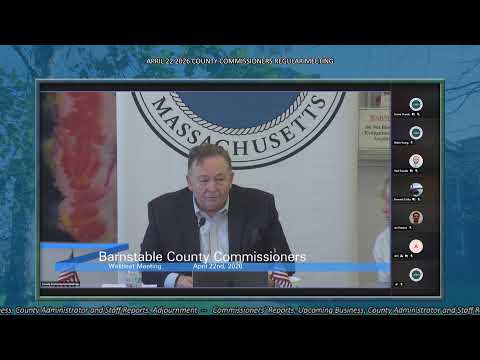
Barnstable County commissioners voted unanimously to approve proposed changes to the county's household hazardous-waste (HHW) program following a briefing by Anthony Trace, the county's hazardous materials environmental specialist.
Trace told the board the county collects tens of thousands of pounds of hazardous materials each year and handles roughly 6,000 to 8,000 pyrotechnic flares in a typical summer. He described flares as "explosive, flammable, toxic" and said they contain perchlorate and heavy metals that can contaminate groundwater; "one flare is able to contaminate 240,000 gallons of water," Trace said. To give towns more disposal options, Trace proposed locker-based collection at fire or DPW sites, contractor pickup and a program to recover disposal costs from marinas or small businesses that bring large quantities.
Commissioner Ron Bergstrom moved to approve the changes as described in the March 23 memo; a colleague seconded the motion and the board carried it unanimously. The motion (moved at the meeting) authorized operational updates that include: supporting town drop-off points at fire departments and DPWs; permitting contractor collection (Trace said he has a state-approved contract with Queen Earth); and allowing towns to charge marinas the direct cost of disposal if they choose to do so.
Trace emphasized the public-safety and water-quality rationale for the changes and suggested longer-term strategies such as coordinating with the Coast Guard or military for training use of collected flares and advocating for extended producer-responsibility (EPR) or e-flare alternatives.
The board did not vote on changes to fee schedules at the meeting; commissioners and staff said towns would retain discretion over whether to subsidize marina charges. Trace and commissioners discussed outreach to marinas and fire departments to ensure safe drop-off and to avoid contamination during transfer and storage.
The vote was the only formal action taken during the presentation period on hazardous waste. After the vote the board moved on to routine consent agenda items and other business.
AI generated
The text on this page is AI generated. Summaries, highlights, analysis, and video transcripts are all produced from the original source material.
AI can make mistakes, so if you spot one, and we will fix it for everyone.
Note: the source content is unaltered by us. Any content source we link to, be it a video, an audio recording, or a document, is presented exactly as its publisher released it. That publisher is usually a government body, sometimes an individual official or another organisation.