Get Full Government Meeting Transcripts, Videos, & Alerts Forever!
Get email alerts on the Evaluator Toolkit topic
No spam. Unsubscribe anytime.
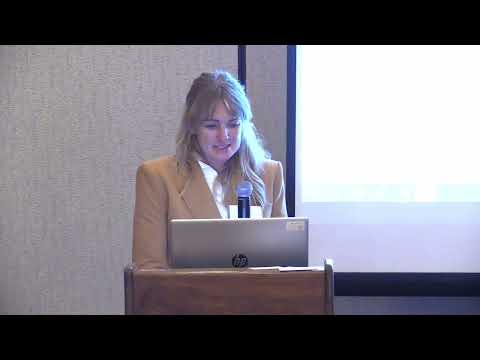
Utah physician‑health program introduces evaluator toolkit, spells out referral, testing and report expectations
Summary
A Utah physician‑health program told providers during a training that it has posted an evaluator toolkit and application to create an approved‑evaluator list, and outlined referral logistics, forensic toxicology standards and a 10‑day report target for substance‑use disorder evaluations of health‑care professionals.
A Utah physician‑health program has posted a toolkit and application intended to form an approved list of evaluators for substance‑use disorder assessments of health‑care professionals, a presenter told providers during a training session.
The presenter said the toolkit contains templates based on clinical guidance (including material used by Dr. Teitelbaum) covering essential evaluation components, sample multidisciplinary and non‑multidisciplinary reports, return‑to‑work recommendations and a checklist to ensure reports include key elements and deadlines. “Try not to get too hung up on that,” the presenter said of minimum qualifications, adding that providers with relevant experience and the proper license should reach out to discuss possible approval.
Why it matters: The program said the approved‑evaluator list is intended to give licensees multiple referral options and to build a local network of clinicians with experience treating health‑care professionals. That matters because the program currently refers some participants out of state when local treatment programs lack relevant specialty experience.
Referral and records: The presenter recommended offering licensees at least three evaluator options and asked evaluators to request signed releases of information—ideally within 24 hours—so evaluees can take copies of evaluations to treatment providers or so the program can send collateral information to evaluators. The presenter said evaluators should expect to receive collateral material from the program, the referring source (for example, Doppler) or family/workplace contacts and that assessments lacking collateral information will be rejected.
Testing and lab standards: The program said it typically arranges toxicology testing, which can take about two weeks. The presenter said the program would not accept dipstick testing and prefers mass‑spectrometer forensic testing with a documented chain of custody; the presenter added that Dr. Lubin is available to help interpret testing results.
Timing and review: The presenter said the program’s internal goal is a roughly 10‑day turnaround for getting reports back when possible, but acknowledged testing and collateral gathering can cause delays. Once the program receives an evaluation, it will review the report in clinical team meetings with Dr. Simpson and may follow up with evaluators for reconciliation or clarification.
Building local capacity: To reduce out‑of‑state referrals, the presenter encouraged providers to consider joining the Federation of State Physician Health Programs (FSPHP) to access guidelines and credentialing guidance; the presenter also offered sponsorship for providers or programs interested in membership. The session included a proposal to host periodic provider meetings—quarterly or lunch‑and‑learns—so evaluators and treatment programs can share anonymized cases and practical experience. “I think interacting like that would help bring more people into the process,” said Beth, a participant.
What happens next: The presenter invited providers to contact the program by email or phone with questions, complete the application if they are interested and, once approved, be added to the program’s approved‑evaluator list. The session concluded with a reminder that the toolkit is intended as a starting model that the program expects to refine in collaboration with evaluators and treatment providers.