Get Full Government Meeting Transcripts, Videos, & Alerts Forever!
Get email alerts on the Memorials topic
No spam. Unsubscribe anytime.
Council tables memorials item after emotional public debate; directs staff to develop alternatives
Summary
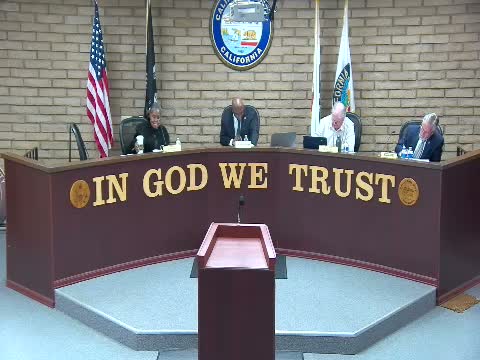
After extensive, emotional public testimony both defending spontaneous roadside memorials and urging limits, the council voted 4–0 to table the memorials item and asked staff to develop sensitive alternatives such as memorial benches, plaques or a dedicated memorial area.
The council on March 24 heard a lengthy and emotional public discussion about makeshift roadside memorials and agreed to table the policy item to allow staff and council time to develop more options.
Staff presented several options — directing the Parks & Recreation Commission to recommend a designated memorial area, creating a uniform memorial‑bench program paid by donors, or treating memorials as signs subject to permit rules — and asked for public input. Speakers included families with memorials at crash sites who described the roadside objects as essential places of mourning, and other residents who said proliferation had created clutter and potential safety concerns.
Public testimony ran the gamut: some urged the council not to remove spontaneous memorials or to leave them alone as expressions of grief; others proposed time limits, managed plaque programs, or a single, dignified memorial location (benches, engraved plaques, or a rose garden area) with city-managed storage and collection procedures for older items.
Council members stressed compassion for grieving families while also noting public-safety and visual-clutter risks where memorials have accumulated. Several council members suggested alternatives such as a wall of plaques, memorial tiles, benches with plaques in parks, or a designated memorial garden. The council voted 4–0 to table the item and asked staff to return with proposals that balance sensitivity and safety.
The council asked staff to consult with families who have placed memorials, evaluate possible locations (for example, Central Park and Inspiration Walk), and consider a process for notification, removal timelines, and storage of removed items so families may recover them.
The item was tabled to allow development of draft policies and possible design options that preserve dignity while addressing safety and maintenance concerns.