Get AI Briefings, Transcripts & Alerts on Local & National Government Meetings — Forever.
Neighbors split as council hears hours of public testimony on plan to lease county homes for supportive housing
Loading...
Summary
Dozens of residents, service providers and program participants testified for and against Resolution 475-26, which would lease county-owned single-family homes to nonprofits for supportive housing. Speakers raised safety, transparency and ethics concerns while others described life-changing benefits and urged approval.
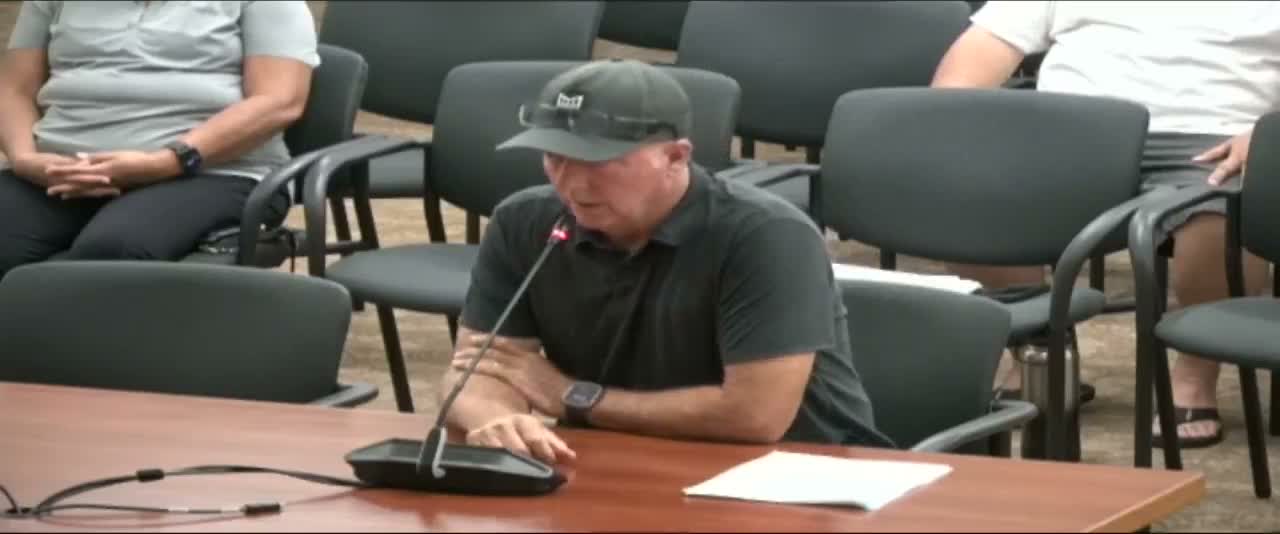
More than a dozen residents, service providers and program participants delivered three-minute statements for and against Resolution 475-26 during the Hawaii County Council meeting on April 22, 2026.
Opponents said the county’s plan to lease single-family homes to nonprofit service providers raises safety and transparency issues for long-standing neighborhoods. "We are a small neighborhood of private single-family residences, and now we're being told that they're entertaining a lease to Kokua," said Jim Doerr, a Kalākīkauʻa resident, who testified in opposition and questioned how multiple unrelated residents would be managed in a four-bedroom house. Several neighbors urged the council to reconsider purchases and leases that they said were made with insufficient public notice.
Supporters, including faith leaders and service providers, argued that the leases would speed placement of people with mental-health and substance-use needs into supportive, service-rich housing. "This is permanent long-term housing for our most vulnerable," said Shirley David, representing St. Michael’s Church and Community Alliance Partners, referencing Kukui Ola as an example of successful, longer-term supportive housing.
Other testimony highlighted lived experience: Renee Rivera, who said she moved from Kauai after struggles with addiction, described how shelter-based services and support helped her stabilize and become a human-services instructor. Representatives of Haleakapuk and former program participants described job and housing stability gained while in program housing and asked the council to continue funding similar models.
Several speakers raised specific allegations and questions about county purchases tied to the program. Marcia Krieger and Thomas Krieger of Makani Circle said the county paid $809,000 for 76 Makani Circle, a price they compared to an alternative offer they said was around $555,000, and they asked for an ethics review because the seller was a recently retired county employee and the listing agent is a current county employee. Neighbors and other opponents also cited reported interior water damage they estimated at roughly $200,000 and questioned whether repair costs and oversight were being properly accounted for. A former Hope Services employee, Ashley Ferraro, described management and record-keeping concerns and urged a thorough audit of grant spending before more grant money is disbursed.
Council members did not take a final vote on Resolution 475-26 during the portion of the meeting captured in the transcript. The record shows extensive public comment both supporting and opposing the resolution but does not include a council decision on the item in the provided segments.
The council heard related funding requests during the same session — including testimony in support of DARE Hawaii events and community conservation projects — but the contentious public debate centered on placement, process and oversight for the supportive-housing leases. The council recessed public testimony and proceeded to routine agenda items, including nominations and a parks donation resolution.
Next steps: the transcript does not record a final council vote on Resolution 475-26 in the provided segment; further council action or votes may be scheduled after staff reports, ethics review requests, or audit follow-ups.