Get AI Briefings, Transcripts & Alerts on Local & National Government Meetings — Forever.
Council debates 7-day compliance window, proposes amendment to code enforcement ordinance
Loading...
Summary
At a second reading of O-26-12, council members questioned a seven-day compliance window and $68.12 notice fee; staff said seven days functions as an acknowledgment and enforcement includes negotiated schedules. A motion was offered to split violation types (safety vs. appearance) and adjust timelines.
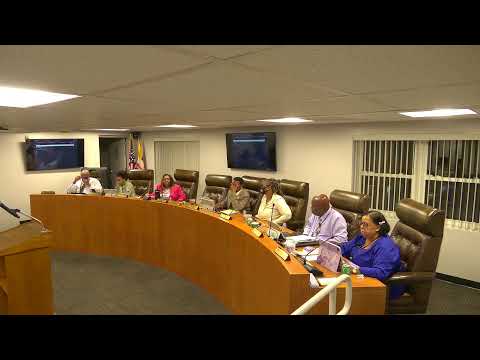
At a second reading of ordinance O-26-12, Seat Pleasant council members questioned whether owners should have only seven days to comply with a notice of violation.
Council member Carney asked, “Why is the turnaround time so short? … Am I right that they have seven days to fix the issue once they … or ask for an extension?” The moderator clarified the text: the ordinance provides seven days to come into compliance or to request an extension and the ordinance references a $68.12 notice of violation and correction.
A city enforcement representative explained the practical approach used in enforcement. The official said the seven-day period works as an initial acknowledgment window and that staff commonly negotiates a schedule based on the nature of the violation — for example, setting staged vehicle removals over two weeks rather than expecting all work in seven days.
Council member MacKerny moved to amend §68.12 to separate violations by type (safety versus appearance) and to tailor response timelines accordingly; another member suggested adding the word “reasonable” to provide discretion for weather and other constraints. The amendment was placed on the floor for debate and will be voted on separately from the full ordinance.
Why it matters: the ordinance governs routine code-enforcement timelines and fines; splitting violations by type would allow longer compliance windows for non-safety items and reduce the risk of immediate per-day fines for owners who are demonstrably working toward compliance.
What happens next: the amendment was debated on the floor and the council proceeded with the legislative sequence (amendment vote then ordinance vote). The transcript provided discussion and a motion; the final vote outcome on the amendment and the full ordinance was not recorded in the segments provided.