Get Full Government Meeting Transcripts, Videos, & Alerts Forever!
Get email alerts on the Comprehensive Plan Implementation topic
No spam. Unsubscribe anytime.
Commission hears legal briefing on how Advance Addison 2050 will shape future zoning decisions
Summary
Town staff and legal counsel told the Planning & Zoning Commission that the new comprehensive plan, Advance Addison 2050, will guide future zoning recommendations and staff reports; counsel reviewed statutory notice, protest and constitutional limits that commissioners must consider when acting on rezoning and plats.
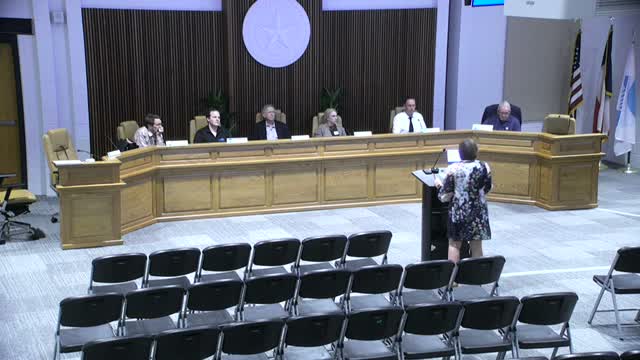
The Planning & Zoning Commission heard an extended briefing on Feb. 17 about how the newly adopted comprehensive plan, Advance Addison 2050, will be used to guide future land-use decisions and the legal rules that constrain zoning actions.
Staff emphasized that the comprehensive plan is a policy and implementation framework intended to inform decisions about land use, development character, mobility and public improvements. The Director of Development and Neighborhood Services told commissioners the plan provides guiding principles and an implementation matrix staff will use when preparing reports and recommendations to the commission and city council.
During the legal briefing, counsel Sarah summarized the main legal constraints commissioners must keep in mind. “Zoning regulations must be adopted in accordance with the comprehensive plan,” she said, and explained that state law requires publication of notice, mailed notice to property owners within 200 feet, and a public hearing before a zoning amendment may be approved. She also reviewed recent legislative changes affecting protest procedures and explained when a supermajority or different thresholds apply.
Counsel outlined constitutional limits that can affect zoning decisions, including due-process and takings protections, and described situations where a regulatory taking claim could arise. She cautioned that although a proposal may align with the plan, commissioners retain discretion and must evaluate case-specific factors such as traffic, noise, compatibility with adjacent uses and regulatory constraints.
The briefing also covered ministerial subdivision review: if a plat satisfies UDC standards, it must be approved under the statutory 30-day shot-clock; staff noted that plats are non-discretionary when they meet technical requirements. Counsel reminded commissioners that other rules — the Texas Public Information Act and the Open Meetings Act — govern communications and meetings, and she reviewed disclosure requirements under state law for financial interests and gifts.
Commissioners asked practical questions about gifts and neighborhood meetings. Counsel said general refreshments at a public neighborhood meeting are typically acceptable when the meeting is open to the public, but singled-out gifts tied to a pending application may trigger disclosure obligations or perception concerns. She advised commissioners to err on the side of disclosure when in doubt.
The session concluded with staff offering additional resources and promising clearer documentation in future staff reports to help commissioners match case facts to the plan and applicable statutes.