Get AI Briefings, Transcripts & Alerts on Local & National Government Meetings — Forever.
Las Cruces to participate in state 'rehab-to-rental' program to help voucher holders and landlords
Loading...
Summary
Council approved participation in Housing New Mexico's pilot rehab-to-rental program, which offers up to $25,000 per unit in forgivable loans to bring voucher-eligible rental units up to inspection standards and requires five-year voucher occupancy conditions.
The Las Cruces City Council voted April 20 to participate in Housing New Mexico’s rehab-to-rental program, a state-administered initiative that provides forgivable loans (typically up to $25,000 per unit) to bring rental units into compliance with inspection standards so tenants using housing vouchers can occupy them.
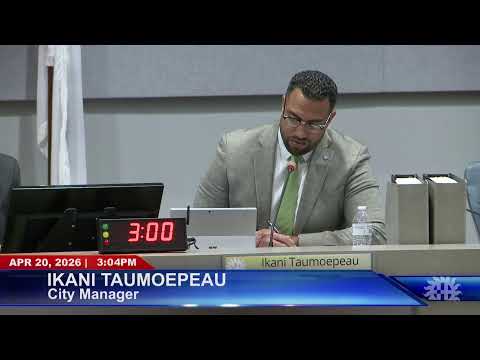
Kevin Wilson of the city’s Housing and Neighborhood Services said the program is designed to increase the supply of affordable units that can pass required inspections and obliges participating landlords to rent assisted units to voucher holders for five years under a restrictive-use agreement; failure to comply triggers a prorated repayment requirement. Wilson said the city has been approved to receive and administer funds when the state makes them available.
Why it matters: Councilors asked detailed questions about per-unit and per-landlord caps, geographic targeting, tenant-leasing obligations, liability, and whether program standards require an air-conditioning unit. Wilson said the standard award is $25,000 per unit with a typical per-landlord cap of $50,000, although Housing New Mexico may exercise flexibility in exceptional cases. Natalie Green clarified that the state’s INSPIRE inspection standard (which replaced HQS) requires an existing air-conditioning appliance remain functional if present, but the state does not require installation of air conditioning where none exists.
Council members pressed on targeting and administration: Wilson said voucher-distributing partners — the Housing Authority, La Casa, and Mesilla Valley Community of Hope — will help identify properties of need, and the city is considering MRA areas for targeted work. The city emphasized it will not assume loan liability; these are state funds routed through the city and, if landlords default, remaining balances revert to the city for affordable-housing uses.
The resolution (26-133) passed on roll call without amendment. Staff said the city will step in to administer funds when the state releases additional program funding and will work with local voucher administrators to prioritize units and neighborhoods.