Get Full Government Meeting Transcripts, Videos, & Alerts Forever!
Get email alerts on the Municipal Fleet Procurement topic
No spam. Unsubscribe anytime.
Las Cruces council approves vehicle purchases including 18 police SUVs; public questions SWAT funding
Summary
The council approved a resolution updating the FY2026 vehicle acquisition program — including 18 Ford Explorer police interceptors — after debate over SWAT truck markings and safety equipment. Public commenters pressed for the rationale behind SWAT vehicle funding and the city clarified regional funding support.
The Las Cruces City Council on April 20 approved Resolution 26-132, updating the city’s vehicle acquisition program to allow purchases across multiple departments, including 18 Ford Explorer Interceptors for the police department and a technical-rescue trailer for the fire department.
The move carried after staff explained departments had funds on hand and councilors had an opportunity to ask for equipment details. Mercedes Tomaco of Fleet Services told the council each requesting department had budgeted the purchases and that procurement rules require council approval before orders proceed.
Why it matters: The vehicle package touched on broader public concern about policing and militarization. During public participation, Michael Hayes asked Chief Jeremy Storey to explain a separate request for roughly $500,000 in state funding for five SWAT vehicles and to make the department’s rationale public. Hayes said he had not received a private explanation and asked the council to seek one: “What was the rationale for your request, not only for SWAT vehicles, but for five of them?” he asked in public comment.
Police Chief Jeremy Storey responded during the meeting’s Q&A that the 18 replacement patrol vehicles will be marked; he said certain SWAT or tactical vehicles will carry more subdued markings but will still be marked. Storey also confirmed the new patrol units will be fitted with ballistic windshields. “All these vehicles that we're talking about right now are marked police cars… the vast majority of our fleet will be marked,” Storey said, adding the department found savings by changing upfitters that allowed ballistic windshields to be included.
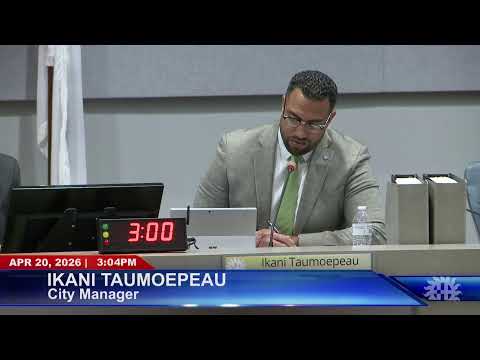
City Manager Ikani Tomopiao later addressed the question about SWAT vehicles during manager announcements, saying legislators contributed about $620,000 toward regional-response vehicles and that the eight F-150 trucks in question are assigned to SWAT members for regional response under existing mutual-aid arrangements. Tomopiao said the funding reduced pressure on local funds and that regional response obligations explain why the vehicles are purchased.
Council discussion focused on fleet age and officer safety. Councilors asked staff about vehicle model years (many replacements were for vehicles manufactured 2012–2014) and whether the replacements would prioritize visibility to deter crime. Councilor Harris pressed for visible markings on patrol cars; Storey said higher-visibility decals are being used that resist sun fading.
The council moved and seconded approval of the resolution; the motion passed on roll call with affirmative votes from council members present. No amendments were made. City staff said purchases will proceed in accordance with procurement rules and available departmental funds.
The city clerk recorded the adoption of Resolution 26-132; purchases will move forward subject to standard procurement steps and budget checks. The city indicated legislative contributions and GRT (gross receipts tax) funding will offset some public-safety vehicle costs.