Get Full Government Meeting Transcripts, Videos, & Alerts Forever!
Get email alerts on the K12 Religious Expression topic
No spam. Unsubscribe anytime.
Students and parents tell commission they were censored or pressured over religious expression in schools
Summary
At a White House‑appointed commission hearing, students and parents gave first‑person accounts of school actions they said curtailed religious speech — from a third‑grader told to remove a mask reading “Jesus loves me” to valedictorian speeches and talent‑show songs — and legal advocates urged federal opt‑out protections and reporting tied to education funding.
At a hearing of the Presidential Commission on Religious Liberty at the Museum of the Bible in Washington, D.C., students and parents delivered personal testimony alleging that public‑school officials removed or pressured religious expression and that districts sometimes retaliated against families who complained.
Nine‑year‑old Lydia Booth recounted being told by a school official to remove a face mask that read “Jesus loves me,” then learning her assistant superintendent had provided an altered COVID restart plan the district used to justify the ban. Lydia said her family sued and the district later settled; she told commissioners, “You’re never too young for your voice to matter.”
Justin Aguilar, a recent high‑school valedictorian, said officials crossed out references to Jesus from his prepared speech but that he ultimately delivered the original speech and the audience “erupted.” Valerie Clavaringa said a principal initially objected to Christian songs her brother and she planned to sing at a talent show; after legal intervention by First Liberty the school allowed them to perform without altering lyrics.
Legal advocates who spoke with the witnesses urged concrete federal steps. Attorney Jeremy Dice told the commission the federal government should publish which states have certified compliance with the Elementary and Secondary Education Act’s protections for religious exercise and should consider extending the protections of the Equal Access Act to elementary grades and tying compliance to ESEA funding.
Parents described other harms they said resulted when schools required classroom materials or activities they viewed as inconsistent with their faith. Shay Encinas and his mother Jennifer described a kindergarten “buddy” activity using the book My Shadow Is Pink; the family said school officials treated their complaints as grounds for marginalizing them and ultimately led the family to leave the district and pursue litigation with Alliance Defending Freedom.
Commissioners and witnesses repeatedly urged clearer opt‑out procedures, better training for school officials about the bounds of the First Amendment in schools, and federal guidance that would make compliance and enforcement more transparent.
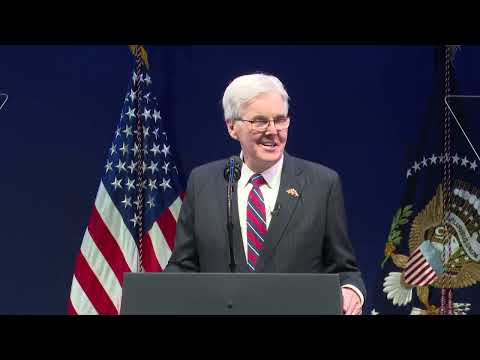
The commission will collect testimony at additional hearings and is due to deliver a report to the president next spring; Chair Dan Patrick reminded the room the panel will reconvene for further hearings as part of that work. The next hearing was announced for September 29 at the Museum of the Bible.