Get AI Briefings, Transcripts & Alerts on Local & National Government Meetings — Forever.
Flagler Beach special magistrate reduces fines, requires outreach after parking appeals; building violation dismissed
Loading...
Summary
At a Flagler Beach City special magistrate hearing on April 22, the magistrate reduced fines in two parking-citation appeals and imposed an educational condition; a separate building-code violation was dismissed after permit documents were presented. Several compliance orders and payment deadlines were set.
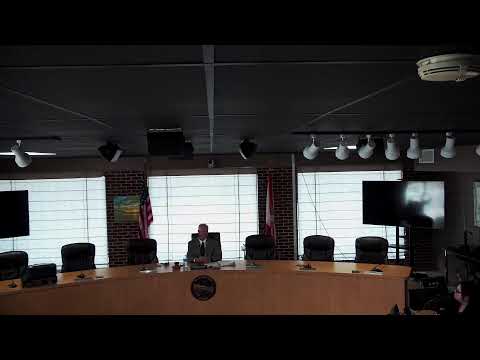
The Flagler Beach City special magistrate on April 22 heard a series of parking-citation appeals and code-enforcement matters, reducing fines in two parking cases, ordering community-education steps for appellants and dismissing a trustee’s building violation after review of permit records.
Brian Gardner, a Palm Coast resident, appealed a March 6 citation for parking the wrong direction. Gardner told the magistrate, “I’m just sorry that it happened, and I’m really just asking for leniency.” The magistrate said Gardner’s vehicle placement could have constituted multiple moving violations and, while not issuing moving-offense charges, reduced the $100 fine by 50 percent, assessed $9.60 in administrative mailing costs (totaling $59.60) and required Gardner to speak with 20 licensed drivers and submit a form documenting those conversations within 60 days.
Deborah Tober, a Flagler Beach resident, appealed a March 12 citation for parking on a sidewalk near 6th Street; she said she parked under a palm tree in a graded area and was unaware signage prohibited that spot. “I knew it was wrong, but I didn’t know you’d get a ticket for it,” Tober told the magistrate. Citing a city ordinance and a state statute prohibiting sidewalk parking to protect pedestrians, the magistrate made a matching reduction in the citation’s monetary penalty, assessed $9.60 in mailing costs and imposed the same 20-driver education requirement with a 60-day deadline.
In a hearing over case EN260101 involving Marcela and Alvin Stanford (trustees), the respondent presented permit and final-inspection records dating to 2012 and follow-up records from 2016. A city representative noted filings and sign-offs in the building records. Relying on the evidence presented and prior inspections, the magistrate dismissed the violation and closed that matter, while advising the trustees to coordinate with their association and to obtain permits for any future work.
Code enforcement reported compliance in several additional matters. Flagler Square’s enclosure for tipping carts cured a cited violation; the magistrate found the violation cured and ordered the respondent to pay $19.94 for mailing and administrative costs within 60 days. Zander Holding Group (2038 S. Ocean Shore Blvd.) has pulled a permit for siding work and was given until the June hearing (permits are valid for 180 days) to complete repairs and pay noted costs ($38.40) on or before that date. In case EEN260083 (160 Atlanta Avenue), the owners secured doorways and repaired dock decking; the magistrate recorded compliance and administrative costs of $38.40.
Magistrate and staff discussion also addressed administrative practice: when to place cured matters on the agenda so the city can recover incurred costs and when in-person appearances are unnecessary because compliance has been achieved. Staff proposed a modest filing/processing fee (about $10) to help cover certified-mail costs and to discourage repeat appeals; the magistrate asked staff to gather information for a possible consolidated hearing to resolve outstanding costs.
All formal orders discussed are to be prepared and mailed by the clerk. Where the magistrate found violations cured, respondents were informed they need not reappear if in compliance; unpaid administrative costs may be scheduled for a future hearing and, if a violation recurs, enhanced penalties can apply. The hearing was adjourned at the close of the agenda.