Lifetime Citizen Portal Access — AI Briefings, Alerts & Unlimited Follows
Easly City council previews FY27 budget, proposes COLA and new permit fees
Loading...
Summary
Council and staff reviewed the proposed FY27 general fund budget, including a recommended cost-of-living adjustment for employees, four new positions, increases to several planning and permit fees, and capital priorities such as police body cameras and fire apparatus.
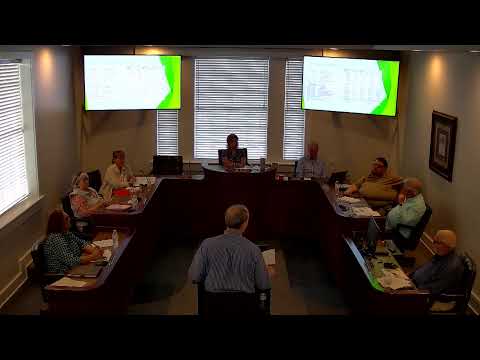
EASLY CITY — City staff on Thursday walked Easly City Council through the FY27 general-fund draft, recommending modest pay increases, new operational positions and several fee changes intended to cover staff time and program costs.
At the start of the work session the chair said staff recommended a cost-of-living adjustment of about 3% for salaries above $50,000 and 4% for those below, noting a separate emphasis on larger raises for lower-paid employees. Staff also proposed four new positions: an IT hire, a business-license field technician to inspect and cite noncompliant businesses, CDL drivers for public works and two parks-and-recreation maintenance technicians. “We recommend a 3% cost of living for positions above 50,000 and 4% below,” staff said when describing the personnel highlights.
The planning and development team outlined a suite of permit and fee changes. Proposed adjustments include a $75 fee for a new single-family residence permit and a $500 fee for new commercial construction, an increase in rezoning fees from $200 to $350, a variance fee increase (proposed to $400) and annexation fees rising from $250 to $500. Officials said the changes reflect staff time for review, public notices and inspections and bring Easly City closer to neighboring municipalities’ rates. “Rezoning went up from 200 to 350. Variance went up,” planning staff said, adding the intent is not to hinder development but to deter avoidable appeals and recoup review costs.
Council members questioned how business-license enforcement is handled. Staff said the city currently has no dedicated field officer and uses an outside vendor; the proposed business-license technician would perform in-person inspections and could eventually issue citations. Staff noted rental-management activity is treated as a business requiring a license: “If you’re renting a property, you need to have a business license,” a staff member said.
On transactional costs, staff proposed a card-processing recovery fee estimated as an average of about 3.25% to cover roughly $65,000 in annual processing charges. Council members asked whether the city should instead decline certain card types with higher fees; staff said card charges vary by card (American Express often costs more) and that more refined pricing could be considered.
Capital and technology needs were a major part of the discussion. Police staff described a multi-year contract with Axon for body and in-car camera equipment and cloud storage; the contract was framed as a recurring cost that also provides manufacturer replacement and warranty support. “It’s a five-year contract… and it’s about $200,000 broken up over five years,” the police representative said while describing device replacement, cloud storage and evidence workflows.
Public-works and fire capital requests were reviewed as well. Staff recommended repairs to existing leaf trailers rather than immediate replacement in some cases and listed several deferred projects carried in the hospitality fund, including an athletic-field expansion. The council reviewed debt-service projections and noted two obligations that will drop off in the coming fiscal year, which slightly reduces overall debt service.
On fiscal posture, finance staff said current-year revenues look stronger than earlier forecasts and that the FY27 draft is projected to break even (no net addition to the general-fund balance). Staff reminded the council that the city must maintain a statutory reserve and recommended keeping a prudential cushion above the minimum. Councilors debated the size of the contingency (a proposal around $75,000) and whether unspent contingency late in the fiscal year could be applied to previously cut capital items, noting executive authority allows purchases below a specified threshold without council approval.
Staff flagged several next steps: refining revenue estimates, providing guesstimates of projected fee revenue, finalizing draft ordinances (including a forthcoming food-truck ordinance), and presenting the budget for first reading in May and second reading in June ahead of a July 1 start of the fiscal year. The council and staff encouraged members to request follow-up information and one-on-one meetings on line-item questions.
The work session produced no formal votes; staff will return with additional detail at the May and June meetings.