Get Full Government Meeting Transcripts, Videos, & Alerts Forever!
Get email alerts on the Municipal Budget topic
No spam. Unsubscribe anytime.
Belmont City reviews $29.6 million FY 2026–27 budget, debates $2.1M Project Tundra design
Summary
Council reviewed the proposed FY 2026–27 budget, including a $29.6 million general fund, an 8% water/sewer rate increase, and a $2.1 million Project Tundra design request that staff says would be paid from fund balance and reimbursed with later borrowing. Council approved the consent agenda and asked for a Project Tundra MOU update for May.
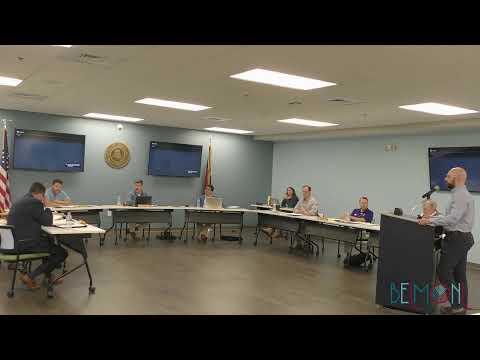
Belmont City council members reviewed the proposed FY 2026–27 budget at a workshop focused on funding priorities, utility rates and capital projects. Miles opened the discussion and turned the presentation over to Jared Piles, who said the general fund budget is $29.6 million based on the current tax rate of 45.5 cents, with no property‑tax increase planned. The draft includes a 2% cost‑of‑living adjustment and up to a 3% merit pool for full‑time employees and proposes a fee increase for solid waste from $9.74 to $11.25 to subsidize roughly half of the anticipated WastePro contract increase.
Jared said the water and sewer budget is balanced at $13.3 million and includes an 8% across‑the‑board rate increase and $2.3 million in capital spending. He warned of a recurring sludge‑press and haul cost of roughly $1.2 million a year while the city prepares to turn service over to the STOW facility, which staff estimates would connect customers around 2030. Jared and staff credited recent billing work for better revenue capture and said the capital emphasis in the rate study is intended to fund future PAYGO projects and debt service.
Council discussed whether to include $2.1 million in the FY 2026–27 budget to cash‑flow design work for Project Tundra, with staff noting that the plan would use fund balance for design and reimburse the city later from loan proceeds if borrowing proceeds in later years. Miles said company representatives are drafting an MOU and council members pressed staff for a firm timeline and a May update so the budget can be finalized with clarity about funding trade‑offs. “We need an answer,” one councilmember said, urging staff to obtain a deadline from the prospective project partner.
Council also discussed capital priorities including a $3.3 million City Hall renovation design and the North Belmont fire‑station design. Financial advisors present explained that the city’s long‑range model still meets the council’s fund‑balance policy through the five‑year forecast on current assumptions, but that fund balance projections are lower than earlier runs due to higher operating requests and benefit cost increases. Advisors said using a general obligation bond could lower interest costs compared with installment financing but carries the political risk that voters could reject a referendum.
Procedural business moved quickly: the council approved the consent agenda, which included acceptance of a $10,000 North Carolina Amateur Sports equipment grant for Parks & Rec, selection of five on‑call right‑of‑way acquisition firms, and a recommendation to contract with Fries & Nichols to update the land development code (a contract amount of $173,450 was noted, with part of that sum to be placed in unassigned fund balance until next fiscal year). Mayor and staff said outstanding budget variables remain—health insurance renewals, property/liability insurance, and the final WastePro contract— and the council directed staff to return with updated figures at the May meeting.
The meeting closed with the council scheduling follow‑up items and a request that staff bring any MOU for Project Tundra to the May meeting so the council can decide whether to include the design appropriation.