Get Full Government Meeting Transcripts, Videos, & Alerts Forever!
Get email alerts on the Sanitary Sewer topic
No spam. Unsubscribe anytime.
Residents urge immediate fixes after repeated sewage backups
Summary
Multiple Germantown residents described raw sewage flooding basements during recent storms, urged the village for interim protections while lift station upgrades proceed, and pressed for clearer communication and expedited infrastructure work.
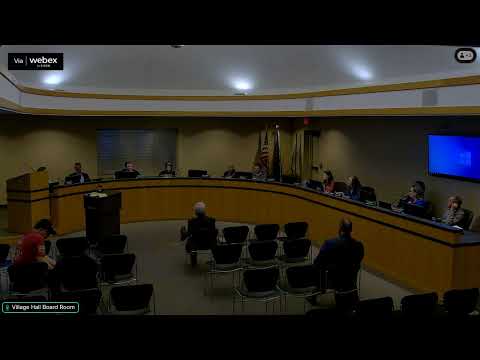
Several Germantown residents told the village board on April 28 that repeated sanitary‑sewer backups have caused extensive damage to homes and demand immediate action from officials.
"Last August we had 14 inches of sewage in our basement," said Chris Pivak, who described tens of thousands of dollars in damage and a recurrence last week. Amy Willard told the board she received 21 inches of raw sewage in August 2025 and eight inches in the most recent event. Paul Spitz and Randall Raskoski, other longtime residents in affected neighborhoods, said dry basements for decades and recent flooding point to an infrastructure problem rather than just weather.
The residents said reports and studies show the village's lift stations are operating near or over capacity. Pivak referenced a 2022 study and a May 2025 report that flagged the Main Street lift station as close to capacity and the Old Farm lift station as roughly 30% over capacity. Residents urged interim measures — such as temporary lateral backstops, proactive staffing of lift stations when heavy rain is forecast, and direct, timely communication to homeowners — while long‑term upgrades proceed.
Village Administrator Mitch Reynolds gave a high‑level account of the April 13–17 rain event and village response. Reynolds said rainfall totals in parts of the region exceeded 5.8 inches across four days, that river levels crested and receded, and that there were localized roadway closures and park damage. He said wastewater operations maintained service with no overflows but that two significant power outages during the storm aggravated basement backups because sump pumps could not operate.
"We have logged 50 complaints so far," Reynolds said, and crews recorded roughly 100–135 overtime hours responding to storm impacts. The village is conducting post‑event inspections, drainage reviews and continued monitoring of affected areas.
Residents pressed for concrete near‑term actions. Randall Raskoski asked the board to acknowledge a capacity problem, publish an action plan for immediate prevention during storms, and staff lift stations proactively so residents do not have to be the first to report a problem. Paul Spitz asked the village to halt approvals for nearby developments until a comprehensive master drainage study confirms downstream capacity.
Reynolds said the village will place the storm/recovery response on a future Public Works agenda for an after‑action report to provide the board visibility and to help identify follow‑up steps and timelines.
The board did not vote on a specific remedy at the meeting; members heard public comment, received the administrator's briefing, and agreed to schedule further review and reporting through the Public Works committee.