Get AI Briefings, Transcripts & Alerts on Local & National Government Meetings — Forever.
Residents press council over new stormwater charge and Rumpke trash contract
Loading...
Summary
Residents at a Riverside council meeting urged relief from a new stormwater assessment, highlighted high bills for churches and small businesses, and questioned the city’s switch to Rumpke for waste services; city staff said the fee responds to federal/state stormwater mandates and offered free initial billing reviews.
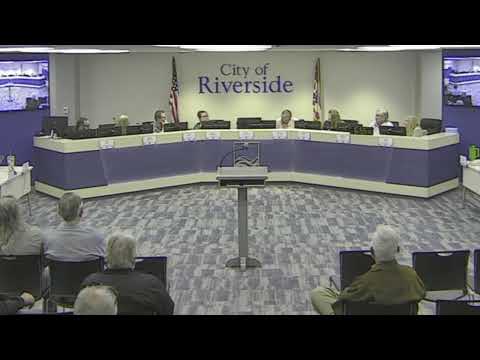
Public commentators pressed the Riverside City Council on a new stormwater assessment and a recent switch to Rumpke as the city’s trash contractor, saying both changes have raised costs and reduced services for residents, seniors, churches and small businesses.
Tim Gosnell told the council he supports selling underused city buildings but questioned the math, saying the city still owes $6.1 million on the properties while sale proceeds were only $3.2 million and asking whether general‑fund reserves should instead be used for road repairs. "If we don't start somewhere, we're never gonna fix the problems that we got in Riverside," Gosnell said.
Why it matters: Residents described direct, near‑term harm from new fees. Several speakers said the stormwater assessment and modified trash service affect groups with tight budgets—including seniors, faith groups and small businesses—and pressed the council for exemptions, reevaluations and clearer communication.
At the podium, Donna Hixenbaugh and other residents described service changes after the city awarded a contract to Rumpke. "They have decreased their services," Hixenbaugh said, citing refusals to pick up bundled branches or bagged leaves unless placed inside a toter. City representatives said Rumpke was the only bidder that submitted the five‑year contract the city requested and that costs reflected the terms of a regional consortium bid; another speaker noted Republic had proposed a one‑year bid at a substantially higher rate.
Several commenters focused on the stormwater charge. Patricia Avey, speaking for seniors, said her neighborhood faces a $27 quarterly charge and urged the council to exempt seniors. "Seniors don't have that income," she said. Sukhdeep S. Bassi, a business owner, said his quarterly business stormwater bill is $761.76 and called the charge unaffordable. William Loudermilk, a pastor at Way of the Cross Church, said the church faces an $874.98 charge on 12 acres and argued nonprofit worship facilities should not be penalized when they already manage runoff on site.
Residents also questioned measurement methods and scheduling. Mary Shevadecker said her area was not included in a 2015 survey and that the city's ERU (equivalent residential unit) calculations—based on county GIS—misclassified many properties into higher tiers. She noted the Beatrice area is not scheduled for improvements until 2031 and said it is unfair to be billed for capital work that will not reach those blocks.
City staff responded that the stormwater fee was implemented to meet environmental mandates and to fund required stormwater maintenance and capital work the city has fallen behind on. Staff told residents the city used county GIS to estimate impervious area and said anyone who believes their property was mismeasured can request a staff review; the first staff review is no charge, with fees only for a formal appeal.
Council members acknowledged the concerns and discussed possible follow‑ups, including targeted reviews for seniors and disabled residents and clearer resident communications. Staff said they will provide a process for review and noted that some funds from a $5 administrative fee would support trash and stormwater billing operations.
The meeting’s public comments did not produce immediate policy changes; several residents asked the council to add formal agenda items to consider senior or disabled exemptions and to allocate cannabis tax receipts that have been held in the general fund.