Lifetime Citizen Portal Access — AI Briefings, Alerts & Unlimited Follows
After large break on Cottonwood, Freeport council approves engineering agreement to replace water main
Loading...
Summary
Following a major water-main break that triggered a boil order and drained both towers, council approved an engineering agreement to design and permit replacement of roughly 2,150 feet of spun-cast pipe; staff estimated design and permitting would take several months and construction could cost about $1 million.
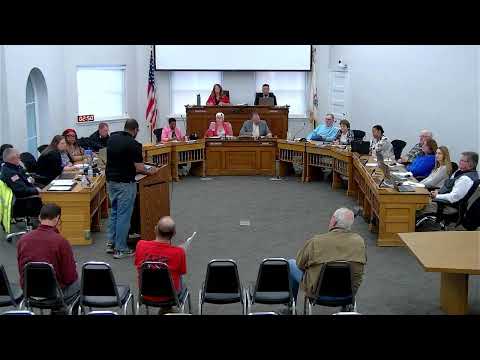
A week after a major water-main failure on Cottonwood that forced a citywide boil order, the Freeport City Council on April 20 authorized a design and permitting engineering agreement to replace the problematic transmission main.
Manager Boyer told the council the break produced an elliptical hole “approximately 42 inches in length and about 12 inches tall” and that the failure drained both water towers, creating a public-health concern. "It was such a large hole that it posed a severe issue for the water system," Boyer said.
Director Stickel explained engineering and cost context: "This is likely a $1,000,000 project" to replace roughly 2,150 feet of main; he said design costs run about 8 percent of construction and that permitting windows (including an EPA permit) could add roughly three months. Stickel said the line is spun-cast pipe, a material with a history of breaks in the system.
Council adopted Resolution 20 26 56 to approve an engineering agreement with Fairgram (as presented on the record) to develop plans for replacement from North Apple Avenue to North Foley Avenue. The vote was unanimous. Staff said they will pursue design expeditiously but that construction work would likely occur in late fall or the following spring to coordinate permitting and bids.
Staff added system-level context: Freeport's water system includes about 137 miles of mains and roughly 70 miles of spun-cast product; replacing transmission mains reduces the frequency of breaks but can reveal other weak links as weaker sections are removed.
What happens next: Staff will finalize the engineering contract, complete design work (staff estimated about four months), obtain permits (including EPA permitting windows) and then seek bids for construction. The council directed staff to proceed with the engineering agreement so design and permitting can begin.
Direct quotes are from the on-the-record council meeting.