Get Full Government Meeting Transcripts, Videos, & Alerts Forever!
Get email alerts on the Candidate Interviews topic
No spam. Unsubscribe anytime.
After interviews, Williamsport council candidates emphasize budget, blight and youth services
Summary
Eight applicants for a Williamsport City Council vacancy told members the city’s top challenges are budget shortfalls, property blight and services for youth; candidates proposed transparency, collaboration with county and private partners, and targeted short-term projects.
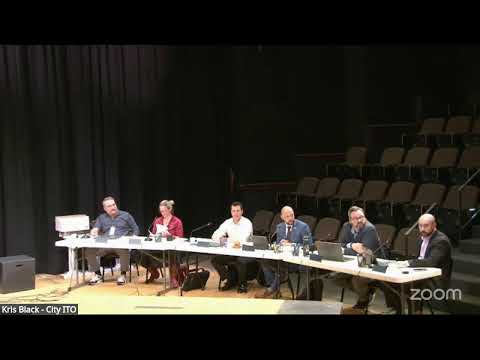
At a special Williamsport City Council meeting, eight applicants for a vacant council seat answered a panel of questions and repeatedly identified the city budget, blighted properties and services for young people as the top local challenges.
Candidates ranged from a public defender and a counselor to a former paramedic and nonprofit leaders. Giovanna Daniele said ‘‘the most important responsibility as a council member is commitment to the people in our community… and transparency,’’ and singled out juvenile delinquency as a pressing concern. Multiple candidates proposed increasing transparency and community outreach as first steps to rebuild public trust.
During a question from Councilman Jonah Milliken about regional collaboration, several applicants suggested coordinating with county officials and private developers around the Lycoming Mall redevelopment and increasing ties to state parks to draw visitors. David Dussinger proposed exploring a land-value tax to incentivize development of empty lots and reduce blight; he also urged a decision on the future of City Hall before the next heating season, calling the building’s heating costs ‘‘upwards to a $100,000’’ last winter.
Grace Weil flagged poverty and distrust in government, saying she found data indicating about a quarter of residents live in poverty; she and others recommended targeted outreach and increased town halls to engage quieter constituencies.
On fiscal questions, candidates described using cost-benefit analysis, return-on-investment and third-party financial review to prioritize projects. Several emphasized that safety and core infrastructure should take precedence and proposed measurable scoring or point systems to compare competing projects.
The interviews concluded with the council moving to appoint a candidate; that appointment was voted on later in the meeting. Council members encouraged applicants who were not selected to consider serving on local boards or running in the next election cycle.
Candidates’ on-the-record remarks provide a record of priorities for the incoming appointee and for council debate in the months ahead.