Get AI Briefings, Transcripts & Alerts on Local & National Government Meetings — Forever.
Tigard officials urge voters to back May bond for first-responder facility
Loading...
Summary
Mayor Hu and Tigard public-safety leaders pushed a May ballot bond to fund a combined police and public works facility with a resilient emergency operations center, citing seismic, training, equipment-storage and recruitment shortfalls; officials said taxes would be assessed beginning in 2026 if approved.
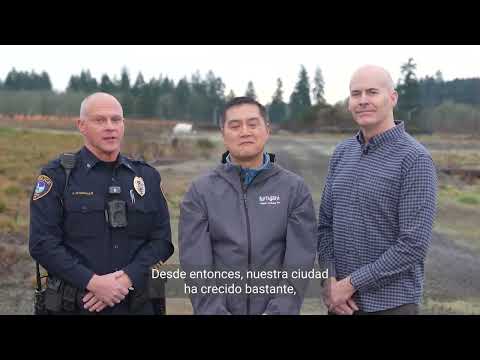
Tigard Mayor Hu and city officials urged voters to approve a bond measure on the May ballot to build a new combined police and public works facility that would include a resilient emergency operations center and secure on-site storage for criminal evidence.
Mayor Hu said the project would create "a safe, modern building for our first responders" and help the city prepare for future emergencies. "We have an opportunity to prepare our city for the future and ensure essential services are ready when they matter the most," the mayor said on camera.
Police Chief Jamie McDonough and Public Works Director Brian Rager described operational shortcomings at current facilities that officials say the new building would address. McDonough said the city has been pursuing a new facility for more than 20 years and that growth has increased demand for emergency services. "Right now, we don't have enough locker space, especially for our female officers," McDonough said, and he added that officers must travel "as far as McMinnville" for some training because Tigard lacks adequate indoor space.
Rager said the proposed facility would include an emergency operations center designed to support response after a major storm or natural disaster and "function on its own for up to 7 days" without outside support. He warned that if the bond fails the city’s current emergency operations center "does not meet seismic code" and is only partially covered by a 72-hour generator.
Officials also said the new building would allow secure on-site storage of criminal evidence and reduce reliance on rented public storage. "If the bond does not pass, we will need to continue renting public storage space for evidence, which is not the best practice," Mayor Hu said.
Rager highlighted needs on the public works side as well, saying yard space would protect large fleet vehicles. "Our sewer and stormwater cleaning trucks cost over $700,000 each," he said, arguing that indoor storage would extend equipment lifespan and reduce damage from freezing and ruptures.
City officials said that if voters approve the bond the tax rate to repay it would be assessed beginning in 2026; they reiterated that no bond tax would be imposed if the measure fails. They also said that, if passed, construction could begin promptly.
Why it matters: Officials framed the measure as an investment in emergency readiness, evidence security, workforce recruitment and equipment protection. The proposal would alter the city's capital footprint and impose a tax to repay bonds only if approved by voters.
The measure will appear on the May ballot; city representatives on the video urged residents to review ballot materials for specifics on cost and tax rate before voting.