Get AI Briefings, Transcripts & Alerts on Local & National Government Meetings — Forever.
Chair asks how HHS can use AI to stop improper payments; Ms. Clark cites California hospice case
Loading...
Summary
In a brief hearing exchange, the chair asked whether HHS is using AI to detect fraud and stop payments before they go out. Ms. Clark, citing California experience with health plans, described a hospice example where claims data and beneficiary outreach stopped a likely improper payment.
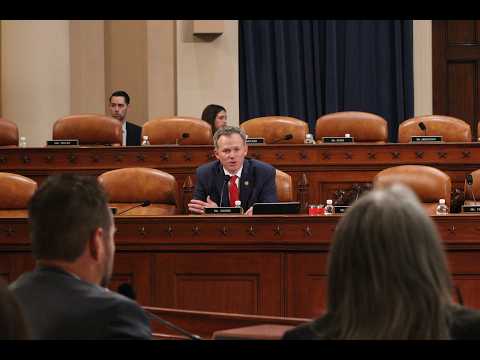
The chair asked Ms. Clark to explain how the Department of Health and Human Services can use artificial intelligence to detect fraud and prevent payments to bad actors before funds are released. He referenced Secretary Kennedy’s recent statement that HHS is deploying AI and intends to move away from a ‘‘pay-and-chase’’ model.
Ms. Clark said she had no direct experience with HHS but described work in California with health plans that illustrates how AI can stop suspicious payments. She recounted an instance where an enrollment flagged a patient as ‘‘end-stage pulmonary’’ despite having no medications, hospital visits or specialist care in the claims record. ‘‘We have been able to stop it at the front door and say, no,’’ she said, adding that staff then called the beneficiary, who told them, ‘‘I don't even I don't know who this hospice is.’’
Ms. Clark urged agencies to ‘‘look at the beneficiary level’’ when evaluating flags, saying the necessary claims and beneficiary data are available and that starting at that level helps prevent improper payments. The chair agreed the approach could be broadly applied across agencies and disciplines and praised the example. He then yielded back his time.
The exchange focused on the potential for AI to reduce improper payments in federal benefit programs and on the role of staff verification when automated systems flag anomalies. No formal action or vote was recorded during the exchange.