Get Full Government Meeting Transcripts, Videos, & Alerts Forever!
Get email alerts on the Nuclear Regulation topic
No spam. Unsubscribe anytime.
Subcommittee chair urges faster, more predictable NRC licensing as Part 53 rule is finalized
Summary
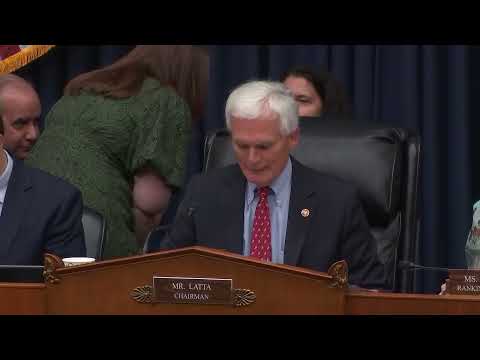
The House Subcommittee on Energy opened a hearing focused on Nuclear Regulatory Commission reforms. The subcommittee chair praised the NRC's new Part 53 framework, said licensing costs have been halved, and urged further congressional support to ensure workforce readiness and interagency coordination.
The House Subcommittee on Energy opened its hearing with the chair calling for faster, more predictable licensing at the Nuclear Regulatory Commission (NRC) to support expanded nuclear deployment and shore up grid reliability. The chair welcomed "chairman Nee and the commissioners" and said it had been three years since the full NRC last appeared before the committee.
The chair framed nuclear power as essential to meet growing demand from industrial growth and the AI sector, saying, "We need dispatchable, reliable power, and a lot more of it." He argued that "successful deployment of nuclear technologies promises to help meet future energy demand" and said expanding nuclear capacity would strengthen national security by "increasing nuclear commerce with allies" and supporting the U.S. nuclear industrial base.
Turning to regulatory progress, the chair noted that Congress had acted with the Advance Act to push for licensing efficiency, reduced costs and greater predictability. He said the NRC issued a final advanced-reactor framework—referred to in the hearing as the Part 53 rule—that "looks to meet congressional intent, offering one of the most flexible frameworks in the world." The chair added that "the cost for that process have been cut in half."
He described ongoing NRC rulemakings intended to enable microreactors, rapid licensing at existing sites, and licensing of manufacturing processes so reactors can be factory-built. The chair also said reforms to fiscal review processes were expected to cut workload substantially and expedite decisions.
The chair acknowledged remaining challenges, including workforce development to deliver new licensing approaches and coordinating with the Department of Energy and other intergovernmental partners. He closed by asking what additional steps Congress could take to help the NRC implement its safety mission and then yielded back the balance of his time. No formal votes or motions were recorded during this opening statement.