Get Full Government Meeting Transcripts, Videos, & Alerts Forever!
Get email alerts on the Clean Energy topic
No spam. Unsubscribe anytime.
Cottonwood Heights weighs joining state clean‑energy program amid opt‑out concerns
Summary
Council members debated whether to adopt the Public Service Commission‑approved Community Clean Energy program (URC), which would automatically enroll Rocky Mountain Power customers with a $4 monthly fee and a six‑month opt‑out; members pressed staff on who ultimately bears costs and whether the city should remain in the regional consortium.
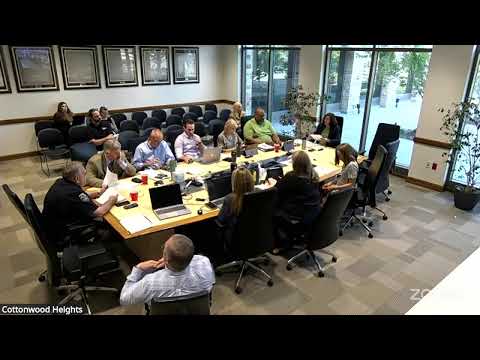
Cottonwood Heights councilmembers debated on April 21 whether to adopt the Public Service Commission’s Community Clean Energy program, known as URC, a state‑approved initiative that would enroll Rocky Mountain Power customers in a regional clean‑energy pool and add a $4 monthly program fee to participating residential accounts.
Sheldon, the city planner who briefed the council, said the PSC’s order set initial rates and a timeline that gives cities 90 days to adopt an ordinance; if Cottonwood Heights opts in it would receive two separate mailed notices beginning Nov. 1 and residents would have a six‑month, no‑fee opt‑out period. Sheldon said, “the $4 a month… 88¢ go towards the program and the other distribution fees. Another 12¢ is a monthly surcharge to provide this service for low income residents.”
Several council members sought clarity on governance and cost‑allocation. One councilmember asked whether program participants would be paying only for resources that offset their own consumption or whether a small group of participants could end up subsidizing broader community or commercial loads; Sheldon said program accounting is still being worked out and depends on the size and type of projects selected. “It’s hard to say,” Sheldon said of possible cost shifts, adding the PSC expects reserve funding and does not anticipate immediate rate increases but that the program is subject to annual review.
Councilmember comments split along lines of consumer choice and long‑term goals. Some members argued the city should stay in URC to preserve resident choice and support cleaner generation, noting prior council work and an adopted sustainability plan; one member framed the $4 monthly fee as small compared with potential public‑health benefits. Others said the opt‑out design raises equity concerns, calling an opt‑in model preferable and warning that many residents might not notice the mailed notices and could be enrolled by default.
Staff outlined operational details: Rocky Mountain Power will manage billing and provide two required notices separate from the monthly bill; the first notices are expected in November and a commencement period would follow. Local implementation costs noted in the packet were limited to initial notice expenses (estimated about $19,000) and prior consultant review fees already paid; staff said the city would not be liable for unpaid termination fees for customers.
The council set a May 19 date to consider a formal vote, and planners will publish a newsletter article and return with additional analyses. The council asked staff to clarify how program costs and benefits will be measured across participating projects and to outline possible scenarios for commercial opt‑outs before the May meeting.
What's next: the council will consider an ordinance on May 19; if it adopts the ordinance Rocky Mountain Power will send required notices and enroll customers unless they opt out during the initial six‑month window.