Get AI Briefings, Transcripts & Alerts on Local & National Government Meetings — Forever.
Agency official describes police interview rooms and a 'softer' space for child victims
Loading...
Summary
An agency official described two types of interview rooms used by the police department — a standard video-recorded interview room and a 'softer' room for children and victims — and said being asked for an interview does not automatically mean someone is a suspect.
An agency official at the police department described two types of interview rooms used for official, video-recorded interviews and said the spaces are intended to avoid stigmatizing people who are asked to come in.
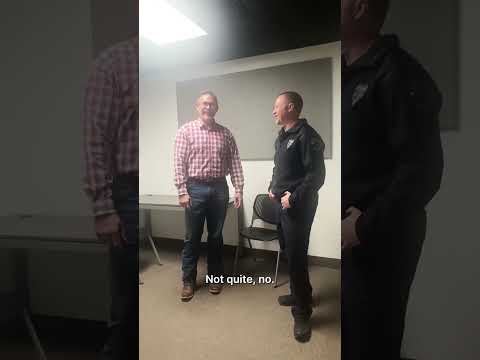
The official said the rooms "used to be called interrogation rooms" but are now configured as standard interview spaces with video recording rather than the one-way glass often shown in films. The official added, "It's just a standard room," underscoring that the setup is less theatrical and more focused on documentation.
The department also maintains a separate "softer interview room," the official said, which is used frequently for child forensic interviews and for victims of crime. "So just because you're asked to come do an interview at the police department doesn't mean that you're a suspect," the official said, stressing that some interviews are for information or support rather than criminal accusation.
Officials described the softer room as designed to reduce stress for children and victims during interviews; the official noted it is used "a lot of times" for forensic interviews or when the interviewee is a victim. The official contrasted the rooms with dramatic depictions in movies, saying, "This does not look like Brooklyn 99. Not quite."
No formal action or vote was recorded in the remarks. The explanation focused on the physical setup and the department's approach to conducting interviews with sensitivity to victims and children.