Get AI Briefings, Transcripts & Alerts on Local & National Government Meetings — Forever.
UN official warns of erosion of arms control, rising proliferation risks and growing AI concerns ahead of NPT review
Loading...
Summary
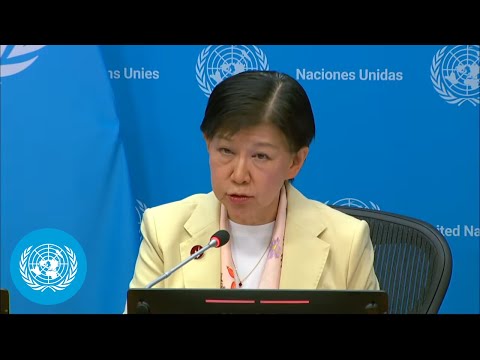
Izumi Nakamitsu said the expiration of major arms control treaties and qualitative and quantitative modernization of arsenals are raising the risk of nuclear use, and that the integration of artificial intelligence into nuclear command and control is prompting multilateral discussions outside the NPT forum.
Izumi Nakamitsu told reporters that international arms control architecture has weakened and that the international community is facing both qualitative modernization of arsenals and emerging quantitative increases in nuclear capability.
Citing the recent expiration of the New START treaty, Nakamitsu said the loss of bilateral arms control mechanisms has altered the strategic environment and increased proliferation drivers. "We are now in a situation where, after so many decades, we don't have any bilateral arms control agreements between the two largest nuclear weapon states," she said, adding that modernization and investment in arsenals have been underway for several years and that the risk of the use of nuclear weapons — including by mistake or miscalculation — is rising.
On emerging technologies, Nakamitsu said discussions about integration of artificial intelligence into nuclear command and control and related governance are underway in Geneva and other multilateral forums. She said her office supports those processes and that member states are aware of the need for guardrails, though AI in the military domain may not be addressed directly within the NPT review itself.
Nakamitsu also noted the longstanding norm against nuclear testing and highlighted the Comprehensive Nuclear‑Test‑Ban Treaty (CTBT) as a key verification instrument that has not yet entered into force but has helped develop verification capacity.