Get Full Government Meeting Transcripts, Videos, & Alerts Forever!
Get email alerts on the Downtown Redevelopment topic
No spam. Unsubscribe anytime.
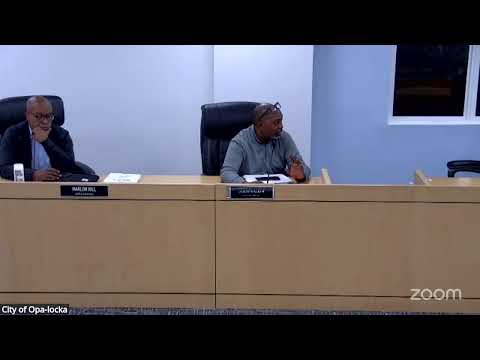
CRA board gives symbolic support to $500 million downtown redevelopment application
Summary
The Opelika CRA voted to express general support for a proposed $500 million, mixed‑use downtown public–private partnership application — a symbolic step aimed at moving the developer into a second, more detailed review that requires a $20,000 deposit and further city and CRA approvals.
The Opelika Community Redevelopment Agency voted to give symbolic board support for a proposed downtown redevelopment called “Opelika City Place,” a project Walker said would bring roughly $500 million in investment and about 900 residential units plus retail and office space.
The board’s resolution does not bind the CRA to any agreements but signals to the developer that the CRA and the city intend to proceed to a second-stage review. Walker told the board the P3 ordinance requires the developer to submit a $20,000 application check to advance to detailed review and that the city and CRA will advertise the disposal of two CRA properties in the Miami Herald to allow competing proposals under state law.
Why it matters: The symbolic vote is intended to keep the developer engaged in the review process and to position the CRA and city to negotiate property and financing terms — including a potential $15 million ask Walker said could be part of the financing package.
What the board heard: Walker outlined next steps including a 60–90 day detailed review period if the developer pays the second-stage fee and submits deeper plans and financials, after which planners, engineers and consultants would be engaged to assess infrastructure needs such as sewer, water and lift stations. He said the CRA will include reverter clauses in development agreements for CRA parcels so ownership can revert to the city if performance milestones (he referenced a two‑year timeline for the CRA parcels) are not met.
Board members pressed on property control and terms. Board member Santiago asked whether the two CRA parcels mentioned would be part of the partnership; Walker confirmed they would and said the CRA has discussed retaining structural protections such as reverter language. Another board member raised questions about whether the city would sell land outright or use long ground leases; Walker said staff favored retaining control and preferring ground leases or other structures that preserve city leverage.
The vote: The chair called the question and the resolution passed by board vote. The action is primarily symbolic; any binding development agreement or conveyance will require additional board and city commission approvals and formal contract negotiations.
Next steps: Staff will continue due diligence, publish the statutorily required notice of disposal in the Miami Herald, and work with the city on the more detailed proposal and consultant analyses before any development agreement is executed.